Marriage and family therapists in New York
Welcome to our directory for online therapists in New York. All therapists listed are licensed in New York and provide teletherapy services across the state. Explore profiles to find counselors who list approaches, specialties, credentials, languages, and experience that match your needs.


Daniel Minuchin
LMFTNew York
- 40 yrs practicing
Stress, Anxiety · Relationship · Family · +2
Read profile



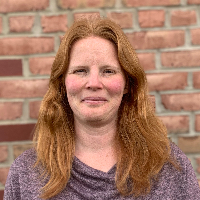


Ivana Ross
LMFTNew York
- 3 yrs practicing
- 3 languages
Stress, Anxiety · Intimacy-related issues · Anger · +1
Read profile


Dr. Amanda Baker
LMFTNew York
- 10 yrs practicing
Stress, Anxiety · Relationship · Family · +12
Read profile


Elizabeth Kotkin
LMFTNew York
- 35 yrs practicing
Addictions · Trauma and abuse · Grief · +12
Read profile
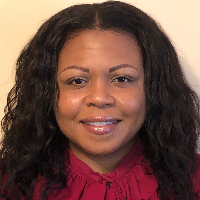
Tiffany Wilson
LMFTNew York
- 10 yrs practicing
Stress, Anxiety · Relationship · Family · +11
Read profile
Matthew McKenna
LMFTNew York
- 7 yrs practicing
Stress, Anxiety · Addictions · Relationship · +2
Read profile





Michelle Waters Tout
LMFT, LMHCNew York
- 18 yrs practicing
Stress, Anxiety · Family · Grief · +2
Read profile

New York
- 14 yrs practicing
- 2 languages
Relationship · Trauma and abuse · Intimacy-related issues · +2
Read profile

Gianny Gomez
LMFTNew York
- 7 yrs practicing
- 2 languages
Stress, Anxiety · Relationship · Family · +2
Read profile
Tamar Romano
LMFTNew York
- 8 yrs practicing
- 2 languages
Stress, Anxiety · Relationship · Family · +2
Read profile


Deborah Kraidman
LMFTNew York
- 3 yrs practicing
Stress, Anxiety · Self esteem · Depression · +2
Read profile
Susanne Jenemann
LMFTNew York
- 20 yrs practicing
Stress, Anxiety · Relationship · Family · +10
Read profile
Danielle Simmons
LMFTNew York
- 6 yrs practicing
Stress, Anxiety · Relationship · Family · +7
Read profile

Courtney White
LMFTNew York
- 10 yrs practicing
Stress, Anxiety · Relationship · Trauma and abuse · +2
Read profileOverview of online therapy availability in New York
If you are looking for therapy from the convenience of your home, many licensed therapists in New York offer online sessions that let you meet by video or phone. Online therapy has become a standard component of mental health care, and counselors listed here indicate when they work remotely so you can review their profiles and learn how they describe their approach. Because every therapist operates under state licensure, the profiles focus on credentials, clinical focus areas, treatment approaches they list, and the populations they serve. This overview will help you understand how teletherapy is presented by therapists who list their services online and how to interpret the information you find.
Online therapy can be delivered in different formats. Some therapists use live video to approximate an in-person experience, while others offer sessions by phone or a mix of methods depending on client needs. When you review a profile, look for descriptions of session format and the kinds of clinical work the clinician emphasizes. This context helps you decide which counselors align with your communication preferences, whether you prioritize face-to-face interaction over phone sessions or you prefer a therapist who lists family systems work or relationship counseling among their approaches.
Benefits of online therapy for New York residents
Online therapy offers practical benefits that fit many New Yorkers' lifestyles. You can reduce commute time, avoid transit challenges between boroughs or across the Hudson, and schedule sessions more flexibly around work and family responsibilities. If you live outside a major city center or in a rural area of the state, teletherapy expands the pool of therapists you can consider without having to travel long distances. That broader access gives you more options to find someone whose specialization and approach feel like a match.
Another advantage is continuity. Life events, illness, or changes in work location no longer require you to pause therapy if you and your therapist agree to meet online. Many people also find it easier to maintain privacy and comfort by remaining in a familiar environment for sessions, which can reduce the stress of attending an unfamiliar office. When you prepare for online sessions, consider how to create a comfortable setting in your home that promotes focus and minimizes interruptions.
What types of issues online therapists in New York commonly help with
Online therapists in New York work with a wide range of concerns. You will find counselors who list expertise in anxiety, depression, relationship and couples counseling, trauma and post-traumatic concerns, grief and loss, life transitions, parenting tensions, and workplace stress. Many therapists also describe specialties such as adolescent counseling, geriatric issues, LGBTQ+ affirming care, cultural or identity-related stressors, and support for chronic illness or disability-related adjustment.
Therapists often indicate the therapeutic approaches they use, and you may come across clinicians who list cognitive behavioral therapy, psychodynamic approaches, family systems work, acceptance and commitment therapy, or other modalities. If you are looking for trauma-focused care you may see therapists who list EMDR among their approaches, and if you want relational work you may see clinicians who list couples therapy or family therapy. Remember that listing an approach on a profile reflects what a therapist says they use in practice; it is appropriate to ask about how they apply those approaches in sessions and how they tailor them to your goals.
How to verify a therapist's license in New York
Verifying a therapist's license is an important step to feeling confident about who you contact for care. You can confirm that a clinician is licensed in New York by using the state licensing board's online lookup tool or directory. Enter the therapist's full name or license number and review the public record for details such as license type, licensing date, and whether there are any active administrative actions noted. This information helps you understand the therapist's formal credentials as recorded by the licensing agency.
What to look for when checking a license
When you review a license record, pay attention to the license category that matches your expectations - for example, licensed marriage and family therapist or licensed clinical social worker - and note the license status and expiration date. The record may also include whether the license has any restrictions or disciplinary history. If you see anything you do not understand, the state board can often provide guidance about what the terms mean and what steps you might take if you have concerns.
How to check and interpret public records
Start with the licensing board's official website and use the search fields to find the clinician. Compare the name on the state record with the name on the therapist's profile, including any credentials or license number displayed. If the information matches, that confirms the basic licensure. If you do not find a match, you can contact the licensing board for assistance. Keeping a copy or screenshot of the license record can be useful for your records and for any follow-up questions you want to ask the clinician about their professional background.
How to get started with an online therapist and tips for choosing the right fit
Getting started typically begins by reading therapist profiles to narrow down candidates who list approaches and specialties relevant to your concerns. Pay attention to the therapist's professional degrees, the populations they describe working with, languages spoken, and any notes about the kinds of life situations they commonly address. When you reach out by phone or email, prepare a brief description of what you are seeking and ask about session format, technical requirements, and how they structure therapy. Your initial contact is also an opportunity to get a sense of whether the clinician's communication style feels approachable and respectful.
Choosing the right therapist is often about alignment. Think about what matters most to you - for example, an interest in trauma-focused methods or a therapist who lists experience with relationship and family dynamics. Consider practical preferences such as whether you prefer a therapist of a particular gender, someone who shares or understands your cultural background, or a clinician who speaks your first language. It is reasonable to ask about how a therapist adapts their approach to meet your goals and what a typical session might look like.
Prepare for your first sessions by clarifying your goals, noting any recent stresses or changes in your life, and identifying questions you want to address. Make sure you have a reliable internet connection and a quiet, comfortable environment where you can speak openly. If you have concerns about privacy or information-sharing boundaries of your online connection, ask the therapist how they handle client records and the steps they take to protect your information. Establishing clear communication and shared expectations early on helps you evaluate whether the working relationship is a good match for your needs.
Finding an online therapist in New York is a process that benefits from a thoughtful review of profiles, verification of licensure, and clear conversation about goals and methods. Use the directory to compare credentials, approaches, and specialties so you can identify clinicians who list the skills and focus areas most relevant to your situation. Taking these steps helps you make an informed choice and move forward with care that fits your life and priorities.
Browse Specialties in New York
Mental Health Conditions (35 have therapists)
Addictions
871 therapists
ADHD
677 therapists
Anger
1033 therapists
Bipolar
573 therapists
Chronic Illness
330 therapists
Chronic Pain
330 therapists
Compulsion
349 therapists
Control Issues
830 therapists
Depression
1875 therapists
Disaster Relief Therapy
333 therapists
Dissociation
217 therapists
Domestic Violence
418 therapists
Eating Disorders
344 therapists
Gambling
293 therapists
Grief
1313 therapists
Guilt and Shame
1428 therapists
Impulsivity
622 therapists
Intimacy Issues
963 therapists
Isolation / Loneliness
1295 therapists
Midlife Crisis
828 therapists
Mood Disorders
958 therapists
Obsession
349 therapists
OCD
349 therapists
Panic Disorder and Panic Attacks
800 therapists
Phobias
236 therapists
Post-Traumatic Stress
1110 therapists
Postpartum Depression
458 therapists
Seasonal Affective Disorder (SAD)
428 therapists
Self Esteem
1850 therapists
Self-Harm
392 therapists
Sexual Trauma
411 therapists
Sleeping Disorders
347 therapists
Social Anxiety and Phobia
1133 therapists
Stress & Anxiety
2250 therapists
Trauma and Abuse
1526 therapists
Life & Relationships (33 have therapists)
Abandonment
860 therapists
Adoption
331 therapists
Aging and Geriatric Issues
430 therapists
Attachment Issues
1096 therapists
Blended Family Issues
745 therapists
Body Image
581 therapists
Career
891 therapists
Caregiver Issues and Stress
907 therapists
Codependency
791 therapists
Commitment Issues
591 therapists
Communication Problems
1823 therapists
Compassion Fatigue
736 therapists
Coping with Life Changes
1632 therapists
Divorce
1154 therapists
Family
1513 therapists
Family of Origin Issues
908 therapists
Fatherhood Issues
382 therapists
Fertility Issues
214 therapists
First Responder Issues
321 therapists
Forgiveness
1327 therapists
Foster Care
331 therapists
Hospice and End-of-Life Counseling
290 therapists
Infidelity
676 therapists
Jealousy
477 therapists
Life Purpose
1584 therapists
Money and Financial Issues
473 therapists
Parenting
1202 therapists
Pregnancy
456 therapists
Relationship
2002 therapists
Self-Love
1507 therapists
Separation
1154 therapists
Sexuality
512 therapists
Workplace Issues
961 therapists