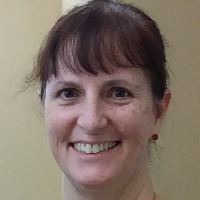
Anne Douglas
LMFTNorth Carolina
- 25 yrs practicing
Stress, Anxiety · Relationship · Family · +16
Read profileTherapist listings on this page link to BetterHelp. We will earn a commission if you sign up through one of those links, at no extra cost to you.
On this page find licensed therapists who list hospice and end-of-life counseling among their specialties. Browse the profiles below to compare approaches, languages, credentials, and areas of experience related to grief, caregiving, and end-of-life planning.
North Carolina
Stress, Anxiety · Relationship · Family · +16
Read profileConnecticut
Stress, Anxiety · LGBT · Relationship · +13
Read profileNorth Carolina
Stress, Anxiety · Relationship · Trauma and abuse · +12
Read profileFlorida
Family · Intimacy-related issues · Stress, Anxiety · +13
Read profileTexas
Stress, Anxiety · Relationship · Trauma and abuse · +14
Read profileCalifornia
Stress, Anxiety · Addictions · Relationship · +12
Read profileCalifornia
Stress, Anxiety · Addictions · Relationship · +15
Read profileMontana
Stress, Anxiety · Addictions · Relationship · +9
Read profileAlaska
Stress, Anxiety · Trauma and abuse · Grief · +11
Read profileGeorgia
Stress, Anxiety · Relationship · Family · +17
Read profileCalifornia
Relationship · Family · Trauma and abuse · +2
Read profileWashington
Stress, Anxiety · Relationship · Family · +17
Read profileCalifornia
Stress, Anxiety · Addictions · Relationship · +16
Read profileMichigan
Stress, Anxiety · Addictions · Relationship · +2
Read profileCalifornia
Stress, Anxiety · Relationship · Family · +13
Read profileCalifornia
Stress, Anxiety · Relationship · Trauma and abuse · +16
Read profileHospice and end-of-life counseling focuses on the emotional, relational, and practical challenges that arise when someone is facing a terminal illness or the final phase of life. Counseling in this area addresses not only the experience of the person who is ill but also the needs of family members, loved ones, and caregivers who are navigating complex emotions and decisions. These conversations often touch on grief anticipatory to a loss, shifts in identity and role, spiritual or existential questions, and the practical aspects of planning for care and legacy.
People who seek this kind of support commonly report feeling overwhelmed by the combination of medical information, family dynamics, and the emotional weight of impending change. You may notice that daily routines, communication patterns, and priorities shift as care needs grow. Counseling offers a space to process these changes, explore values and wishes, and build coping strategies that help you manage stress and preserve meaningful connections during a difficult time.
It can be hard to know when to reach out for support amid medical care and caregiving responsibilities. You might consider counseling if you find yourself unable to talk about the illness without becoming overwhelmed, if conversations about goals of care regularly lead to conflict, or if caregiving responsibilities are causing persistent exhaustion and mood changes. Grief that begins before a loss - often called anticipatory grief - can include sadness, anger, denial, or a sense of numbness, and counseling can help you recognize and work through these reactions.
If you are a caregiver and notice changes in your sleep, appetite, concentration, or ability to manage everyday tasks, counseling can provide strategies to reduce burnout and maintain your own well-being. Family members who struggle to express wishes, who disagree about treatment decisions, or who feel regret or unresolved issues from the past may find it valuable to work with a counselor to facilitate communication and to create a shared plan that respects the person at the center of care.
Sessions focused on end-of-life issues typically begin with an assessment of immediate concerns, goals, and the relational context. Your counselor will ask about the medical situation in general terms, how decisions are being made, and what emotional or practical needs are most pressing. You can expect conversations that explore coping skills, communication strategies for difficult conversations, ways to manage physical symptom distress through psychological techniques, and planning for end-of-life preferences and legacy work. Each session aims to be tailored to your situation, whether you are the person living with illness, a partner, an adult child, or another caregiver.
Therapy may include time with individuals, couples, or family members depending on what you need. Some sessions focus on short-term problem-solving, such as clarifying advance care planning or helping you prepare for a conversation with medical staff. Other sessions may take a longer arc, creating space for processing grief, reconciling relationships, and building meaning in the time that remains. You should expect your counselor to respect cultural, spiritual, and personal values and to work with you to translate those values into practical steps and emotional support.
Counselors bring a variety of approaches to end-of-life work, and you will find practitioners who list cognitive behavior techniques, narrative therapy, meaning-centered interventions, mindfulness-based strategies, and family systems approaches among their approaches. Cognitive behavior techniques can help you identify unhelpful thought patterns that increase anxiety and replace them with coping strategies. Narrative approaches invite you to explore and re-author the story of illness and loss so that what matters most is clearer. Meaning-centered work focuses on values, legacy, and the search for purpose in the face of mortality.
Mindfulness and relaxation practices are often used to manage intense emotions and physical tension, and family systems perspectives can help you understand roles, expectations, and patterns of interaction that complicate decision-making. Some counselors incorporate life review or legacy projects to help the person at the center of care record memories, values, and messages for loved ones. When reading profiles, note which approaches a therapist lists and consider whether those methods resonate with your needs and worldview.
Online therapy has become a common option for people managing advanced illness or caregiving responsibilities, because it reduces travel time and can be scheduled around medical appointments. In an online session you will typically connect with a counselor via video or phone; some therapists also use text-based messaging for brief check-ins or to share resources between sessions. You can expect similar therapeutic goals to in-person work - emotional processing, communication support, and coping strategies - but delivered in a format that can be more flexible when mobility or energy are limited.
When choosing online counseling for end-of-life needs, consider how you want sessions to be conducted and whether family members should join from different locations. You may prefer shorter, more frequent check-ins or sessions timed around critical meetings with medical teams. It is helpful to have a quiet, comfortable environment at the time of sessions and to plan for a way to manage interruptions. Online counseling can also facilitate coordination with other members of the care team when asked, helping align emotional support with medical decision-making and caregiving plans.
Start by clarifying what you hope to accomplish in counseling. Do you need help managing intense emotions, facilitating family conversations, planning for legacy, or developing caregiver coping skills? Once you know your priorities, look for therapists who list relevant approaches, experience with end-of-life topics, and familiarity with caregiver dynamics or specific cultural and spiritual perspectives that matter to you. Reading profiles can give you a sense of language and emphasis - some therapists foreground communication and family mediation, while others emphasize meaning-making and grief processing.
Consider practical matters such as session length and whether you prefer in-person meetings or online sessions. Think about language and cultural fit - if spiritual beliefs play a central role in your decisions, seek a counselor who respects and integrates those values. It can be helpful to ask about how a therapist approaches difficult conversations, how they involve family members, and what kinds of tools or exercises they commonly use. Remember that a therapeutic relationship is personal; if a counselor's style does not feel like a good fit, it is reasonable to look for someone whose approach and communication style align better with your needs.
Finally, pay attention to logistics such as insurance or payment options and whether telehealth is offered if travel is challenging. A thoughtful match between your needs and a therapist's emphasis can make a meaningful difference in how supported and empowered you feel during this sensitive time. Counseling for hospice and end-of-life matters aims to help you find clarity, strengthen connection, and carry out wishes with dignity and compassion.
Alabama
13 therapists
Arizona
17 therapists
California
1441 therapists
Colorado
29 therapists
Connecticut
16 therapists
Florida
174 therapists
Georgia
46 therapists
Hawaii
18 therapists
Idaho
10 therapists
Illinois
20 therapists
Indiana
38 therapists
Iowa
7 therapists
Kentucky
14 therapists
Louisiana
24 therapists
Massachusetts
8 therapists
Michigan
13 therapists
Minnesota
45 therapists
Mississippi
7 therapists
Missouri
17 therapists
Nevada
35 therapists
New Jersey
21 therapists
New York
45 therapists
North Carolina
48 therapists
Oklahoma
36 therapists
Oregon
23 therapists
Pennsylvania
18 therapists
South Carolina
16 therapists
Tennessee
37 therapists
Texas
144 therapists
Utah
24 therapists
Virginia
17 therapists
Washington
36 therapists
Wisconsin
17 therapists