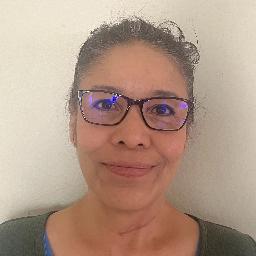
Angela Whitecrane Widdicombe, LCSW, LMFT
Practical support for stress, grief, and relationship strain
About Angela
Angela Whitecrane Widdicombe helps people facing stress, anxiety, addiction, relationship strain, depression, trauma, grief, and challenges to self-esteem. She also supports people coping with bipolar disorder, compassion fatigue, life changes, and intimacy concerns.
Background and approach
Angela brings a calm presence and a focus on real-life solutions. Angela has worked in clinical settings for three decades.
She has experience helping foster children, homeless veterans, and people in addiction treatment. She holds credentials as a Licensed Clinical Social Worker (LCSW) and a Licensed Marriage and Family Therapist (LMFT).
Her approach centers on building connection. Sessions begin with listening closely to what matters most to the person in front of her.
From there she helps people notice patterns, name hard feelings, and try small changes that can make daily life easier. She uses practical methods drawn from Cognitive Behavioral Therapy, Acceptance and Commitment Therapy, and Emotionally-Focused and attachment-based ideas.
This means she helps people shift unhelpful thoughts, clarify values, and repair important relationships through focused conversations and exercises. Angela aims for straightforward, respectful work.
She supports people through grief, domestic violence aftermath, substance use concerns, blended-family challenges, and caregiver stress. The goal is clearer thinking, steadier emotions, and safer, more connected relationships.
Approach and online therapy options
Angela uses Acceptance and Commitment Therapy (ACT) to help people clarify what matters to them and take small, committed steps toward those values while learning to live with difficult feelings. Attachment-Based Therapy is used to examine how early relationship patterns show up now and to build safer, more dependable ways of relating to others.Finding the right approach is part of the work. The therapist will talk with each person about goals, preferences, and what feels most useful. Together they decide whether to focus on thoughts and behaviors, relationships, or values-driven action and then adjust the plan as needed.
Online sessions are offered by video calls, phone sessions, live chat, or text-based messaging to provide flexibility. Video calls allow fuller face-to-face conversation, phone sessions can be easier when bandwidth is limited, and messaging or chat work well for brief check-ins or ongoing written reflection. These options help people fit therapy into busy lives and different schedules.
Frequently asked questions
What kinds of problems does this therapist help with?
How would you describe her therapy style?
What is her background and experience?
What credentials does she hold and where is she based?
Are sessions offered in other languages or for international clients?
What formats are available for sessions?
How does pricing work for sessions?
How do I begin working with this therapist?
Specialties and expertise
Top specialties
- Stress, Anxiety
- Addictions
- Relationship issues
Also works with
- Abandonment
- Aging and geriatric issues
- Attachment issues
- Bipolar disorder
- Blended family issues
- Body image
- Caregiver issues and stress
- Codependency
- Commitment issues
- Communication problems
- Compassion fatigue
- Control issues
- Coping with life changes
- Coping with natural or human-caused disaster
- Depression
- Divorce and separation
- Domestic violence
- Drug and alcohol addiction
- Emptiness
- Family conflicts
- Family of origin issues
- Family problems
- Forgiveness
- Grief
- Guilt and shame
- Hoarding
- Hospice and end-of-life counseling
- Impulsivity
- Infidelity
- Intellectual disability
- Intimacy-related issues
- Isolation / loneliness
- Jealousy
- Life purpose
- Midlife crisis
- Mood disorders
- Multicultural concerns
- Panic disorder and panic attacks
- Post-traumatic stress
- Prejudice and discrimination
- Seasonal Affective Disorder (SAD)
- Self esteem
- Self-love
- Social anxiety and phobia
- Trauma and abuse
- Veteran and Armed Forces Issues
- Workplace issues
- Young adult issues
Therapeutic approaches
- Experience
- 30 years
- Licensed
- Montana
- Languages
- English