Marriage and family therapists for Forgiveness
Browse therapists who list forgiveness as a specialty to explore methods that help people work through hurt, resentment, and complicated loss. Use the listings below to compare each provider's focus, approaches, credentials, and languages spoken.


Joy Nussen
LMFTOregon
- 32 yrs practicing
Stress, Anxiety · Relationship · Trauma and abuse · +10
Read profile
Valerie Marsh
LMFTMinnesota
- 23 yrs practicing
Stress, Anxiety · Relationship · Trauma and abuse · +14
Read profile
Sandra Johnson
LMFT, LPCLouisiana
- 22 yrs practicing
Stress, Anxiety · Relationship · Family · +12
Read profile
Jared Maloney
LMFTCalifornia
- 8 yrs practicing
Stress, Anxiety · Addictions · Relationship · +16
Read profile
Donnalyn Morgan
LMFTHawaii
- 3 yrs practicing
Stress, Anxiety · Addictions · Relationship · +2
Read profile




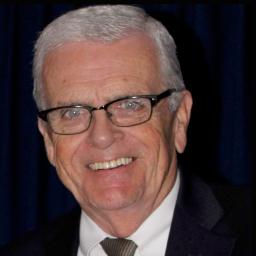
Michael Flatley
LMFTFlorida
- 24 yrs practicing
Stress, Anxiety · Relationship · Family · +12
Read profile



Robert Theriault
LMFTDelaware
- 24 yrs practicing
Relationship · Family · Trauma and abuse · +15
Read profile

Lawrence Story
LMFTTexas
- 36 yrs practicing
Stress, Anxiety · Addictions · Trauma and abuse · +15
Read profile
Susan LeClair
LMFTConnecticut
- 22 yrs practicing
Stress, Anxiety · LGBT · Relationship · +13
Read profile
Amy Penley
LMFTNorth Carolina
- 10 yrs practicing
Stress, Anxiety · Relationship · Trauma and abuse · +12
Read profile
Michael Spain
LMFT, LPCTexas
- 30 yrs practicing
- 2 languages
Stress, Anxiety · Family · Parenting · +2
Read profile



Shirley Souder
LMFT, LCSWIndiana
- 43 yrs practicing
Stress, Anxiety · Relationship · Family · +13
Read profile


Johnny Cawlfield
LMFTOklahoma
- 22 yrs practicing
Stress, Anxiety · Relationship · Family · +13
Read profile

Orlando Garcia
LMFTFlorida
- 29 yrs practicing
- 2 languages
Stress, Anxiety · Relationship · Family · +14
Read profile

Thomas Corwell
LMHC, LMFTFlorida
- 40 yrs practicing
Stress, Anxiety · Addictions · Relationship · +12
Read profile


Katherine Eldean
LMFTCalifornia
- 20 yrs practicing
Stress, Anxiety · Addictions · Relationship · +16
Read profile
Shari Schaffer
LMFTTexas
- 15 yrs practicing
Stress, Anxiety · Relationship · Trauma and abuse · +14
Read profileWhat forgiveness is and how it commonly affects people
Forgiveness is a personal process that involves making changes in how you relate to an injury or betrayal. It does not necessarily mean forgetting what happened or agreeing that the harm was acceptable. Forgiveness can be a way to reduce repeated rumination, to reclaim a sense of agency after being wronged, or to clarify what you want from relationships going forward. For some people forgiveness leads to reduced anger and a clearer path to setting boundaries. For others it is more about releasing the emotional energy tied to an event so you can move forward with less internal conflict.
The experience of forgiveness varies widely. You may find that forgiving someone brings relief, but it can also surface grief, confusion, or a renewed awareness of loss. Sometimes forgiveness is interpersonal and involves another person directly. Other times it is intrapersonal - a change in how you tell your own story about what happened. Because forgiveness sits at the intersection of emotion, memory, and values, it often touches other areas of life such as trust, intimacy, parenting, and work. Understanding forgiveness as a process rather than a single act helps you recognize that it can take time and that different stages may feel very different.
Signs you might benefit from therapy focused on forgiveness
You might consider therapy for forgiveness when unresolved hurt affects how you think, feel, or act in daily life. If you notice recurring anger that interferes with sleep or concentration, patterns of withdrawal from relationships, or a compulsion to replay what happened, those can be signals that focused support could help. People often seek help when resentment grows into mistrust that undermines current relationships, or when the prospect of reconciliation raises complicated fears and conflicting desires.
If you find yourself stuck in one of these places - persistent blame, avoidance of certain people or situations, or a sense that the past controls your decisions - therapy can provide a structured way to explore what forgiveness would mean for you. You might also look for help when attempts to forgive feel forced or incomplete, when you are unsure whether reconciliation is safe or appropriate, or when the harm involved moral or legal complexities that make moving forward confusing. Therapy can be a space to sort through these layers so you can make decisions that align with your values and wellbeing.
What to expect in therapy sessions focused on forgiveness
Initial conversations and goal setting
Early sessions typically involve sharing the history of what happened and how it continues to affect you. You and your therapist will clarify what you hope to achieve - whether that is decreased rumination, improved relationships, clearer boundaries, or a different narrative about the event. Expect the therapist to ask about your emotional reactions, behavioral patterns, supports, and any practical consequences of the harm. These conversations establish priorities and help determine a pace that feels manageable for you.
Processing, skills practice, and meaning-making
As work continues, therapy often combines emotional processing with practical skills. You may practice techniques to manage intense feelings such as anxiety or rage, learn how to communicate difficult truths, or experiment with cognitive approaches to shift unhelpful beliefs. Some therapists use narrative methods to help you reframe the story you tell yourself, while others incorporate experiential exercises such as imagery, role-play, or letter-writing that you may or may not choose to share with the other person. Therapy also pays attention to values - what forgiveness would allow you to do differently in life - and supports you as you test new behaviors in relationships.
Throughout the process you should expect the therapist to respect your pace about reconciliation and boundary-setting. Forgiveness work is often as much about protecting yourself and clarifying limits as it is about reducing negative feelings. The aim is to help you make deliberate choices rather than feeling pushed toward a particular outcome.
Common therapeutic approaches used for forgiveness
Therapists who list forgiveness among their specialties may draw from a range of approaches depending on what fits your situation. Cognitive behavioral methods are often used to identify and shift thoughts that keep you stuck in blame or self-criticism. Narrative approaches focus on how you construct the story of the hurt and what meanings you attach to it. Mindfulness and acceptance-based strategies can help you observe painful feelings without being overwhelmed by them, allowing you to respond rather than react.
Some therapists incorporate experiential and relational modalities. For example, therapists who list internal family systems among their approaches may explore different parts of your inner world to understand conflicting impulses around forgiveness. Therapists who list EMDR among their approaches may use bilateral stimulation as one tool for processing memories that remain highly charged. Others who list compassion-focused approaches emphasize self-compassion exercises that reduce shame and self-blame, which can be important barriers to forgiving. Narrative, somatic, and experiential techniques can provide concrete ways to rework the memory and its emotional charge. It is common for therapists to combine elements from different schools in order to tailor work to your needs, and many describe their interventions in plain language in their profiles so you can get a sense of their style.
How online therapy works for forgiveness and tips for choosing the right therapist
Working with forgiveness issues online
Online therapy for forgiveness generally uses video sessions so you can engage in deep conversation and experiential exercises from a comfortable environment. The format allows you to do practice exercises between sessions in the context of your daily life, and it can make it easier to include family members or partners in sessions when appropriate. While the medium changes some dynamics, many of the same therapeutic tasks - telling your story, emotion regulation, cognitive reframing, and gradual exposure to difficult memories - translate well to a remote context. Before starting, consider practical factors like whether you have a quiet room for sessions and a reliable internet connection so your work is not interrupted.
Choosing a therapist who fits your forgiveness goals
When you review profiles, look for how therapists describe their focus on forgiveness and related topics such as trauma, relationship repair, grief, or moral injury. Pay attention to the language they use to explain how they work - some write in clinical terms while others describe specific exercises and goals. Consider the credentials and licensure types listed, the populations they work with, and the languages spoken if that matters to you. Reading a therapist's biography can give you clues about their values and whether they emphasize skills-building, insight, or a relational approach.
It can be helpful to identify what matters most to you early on - whether you want a therapist who emphasizes emotional processing, someone who offers structured homework and skills, or a therapist who focuses on meaning-making and values. You may also weigh practical matters such as session format and whether they mention experience working with issues similar to yours. If you reach out for an introductory conversation, you can ask how they approach forgiveness work, what techniques they commonly use, and how they help clients set boundaries and repair or end relationships when needed. Trust your sense of fit - the therapeutic relationship itself is an important part of doing this work effectively.
Forgiveness is rarely a single decision and more often a path you walk at your own speed. With the right match, you can explore what forgiveness would look like for you, practice new ways of responding, and make choices that align with your values and wellbeing. Use the directory listings below to compare approaches, credentials, and focus areas so you can find a therapist whose description resonates with your needs.
Find Forgiveness Therapists by State
Alabama
13 therapists
Arizona
17 therapists
California
1441 therapists
Colorado
29 therapists
Connecticut
16 therapists
Florida
174 therapists
Georgia
46 therapists
Hawaii
18 therapists
Idaho
10 therapists
Illinois
20 therapists
Indiana
38 therapists
Iowa
7 therapists
Kentucky
14 therapists
Louisiana
24 therapists
Massachusetts
8 therapists
Michigan
13 therapists
Minnesota
45 therapists
Mississippi
7 therapists
Missouri
17 therapists
Nevada
35 therapists
New Jersey
21 therapists
New York
45 therapists
North Carolina
48 therapists
Oklahoma
36 therapists
Oregon
23 therapists
Pennsylvania
18 therapists
South Carolina
16 therapists
Tennessee
37 therapists
Texas
144 therapists
Utah
24 therapists
Virginia
17 therapists
Washington
36 therapists
Wisconsin
17 therapists