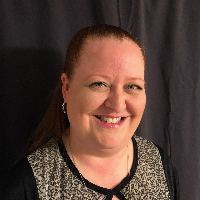
Valerie Marsh
LMFTMinnesota
- 23 yrs practicing
Stress, Anxiety · Relationship · Trauma and abuse · +14
Read profileTherapist listings on this page link to BetterHelp. We will earn a commission if you sign up through one of those links, at no extra cost to you.
Welcome to our Minnesota online therapist directory, a place to find licensed therapists who serve clients throughout the state. All listed therapists are licensed in Minnesota; explore their profiles to compare approaches, credentials, languages, and practice focuses.
Minnesota
Stress, Anxiety · Relationship · Trauma and abuse · +14
Read profileMinnesota
Stress, Anxiety · Relationship · Grief · +9
Read profileMinnesota
Stress, Anxiety · Relationship · Family · +11
Read profileMinnesota
Relationship · Family · Trauma and abuse · +12
Read profileMinnesota
Stress, Anxiety · Grief · Parenting · +10
Read profileMinnesota
Stress, Anxiety · Relationship · Family · +6
Read profileMinnesota
Stress, Anxiety · Addictions · Relationship · +10
Read profileMinnesota
Stress, Anxiety · Relationship · Grief · +10
Read profileMinnesota
Stress, Anxiety · LGBT · Relationship · +13
Read profileMinnesota
Stress, Anxiety · Relationship · Family · +11
Read profileMinnesota
Stress, Anxiety · Self esteem · Trauma and abuse · +5
Read profileMinnesota
Stress, Anxiety · Relationship · Family · +17
Read profileMinnesota
Stress, Anxiety · Addictions · Relationship · +11
Read profileMinnesota
Stress, Anxiety · Trauma and abuse · Parenting · +11
Read profileMinnesota
Stress, Anxiety · Relationship · Family · +8
Read profileMinnesota
Stress, Anxiety · Family · Trauma and abuse · +2
Read profileMinnesota
Stress, Anxiety · Trauma and abuse · Parenting · +7
Read profileMinnesota
Relationship · Family · Intimacy-related issues · +13
Read profileMinnesota
LGBT · Relationship · Intimacy-related issues · +3
Read profileMinnesota
Stress, Anxiety · Relationship · Trauma and abuse · +6
Read profileMinnesota
Stress, Anxiety · Relationship · Trauma and abuse · +2
Read profileOnline therapy has become a regular option for people in Minnesota who want professional support without the commute to an office. Over recent years, regulations and technology have evolved to allow many licensed mental health professionals to offer sessions by video or phone, widening access across urban, suburban, and rural communities. If you live in a smaller town or experience seasonal travel challenges, online sessions can make it easier to keep consistent contact with a clinician without long drives.
When you look at listings, you will see a range of license types and practice backgrounds. Many therapists work from a home office or clinic and include telehealth among their ways of working. Because licensing rules vary by profession and state, therapists who list online services for Minnesota typically hold a Minnesota license to practice in the state. That licensing requirement is meant to help ensure a common professional standard for therapists serving Minnesota residents.
Most clinicians offer synchronous video sessions that resemble an in-person appointment but take place through a video link. Some also provide sessions by phone, which may be a practical alternative when video is difficult. You may find therapists who combine remote sessions with occasional in-person meetings for people who prefer a hybrid approach. The exact mix of formats is something you can learn about by reviewing profiles and contacting clinicians to ask about their typical session options and technical requirements.
Online therapy removes barriers that can make it difficult to get help, especially in a state with long winter commutes and widely spaced communities. You can connect from your home, workplace, or another convenient location as long as you have a reliable internet connection or phone service. This can save travel time and give you more flexibility to fit therapy into your week, which is especially helpful when you balance work, family, or caregiving responsibilities.
Another practical benefit is access to a wider pool of clinicians. If you want a therapist who speaks a particular language, focuses on a specific population, or lists a certain approach among their methods, online therapy lets you look beyond local geography. Many people also appreciate being able to choose a therapist whose personal style and cultural background feel like a fit, which can support honest conversation and steady progress.
For some people, the option of meeting online makes it easier to take the first step. You may find it more comfortable to speak from a familiar environment while you build rapport. Online work can provide continuity if you travel or relocate within Minnesota, helping your support plan remain consistent even when your circumstances change.
Therapists who offer online work in Minnesota address a wide range of life and mental health concerns. You will find clinicians who list experience helping with anxiety and depression, relationship and family issues, parenting challenges, grief and loss, work-related stress, and transitions such as divorce, retirement, or relocation. People also seek online help for coping with chronic health conditions, perinatal concerns, identity development, and situational crises that require short-term focused support.
Many therapists describe their theoretical approaches in profiles. You may come across therapists who list cognitive behavioral strategies, psychodynamic approaches, mindfulness-based methods, or interpersonal frameworks among their approaches. When trauma is a concern, you may see clinicians who list EMDR among their approaches, and for couples work you may find therapists who note specific couples-oriented models. Keep in mind that a listed approach signals what a therapist uses in practice rather than a formal certification; reading a profile and asking about how an approach is applied will help you understand how it might fit your situation.
Confirming a therapist's license is an important step before beginning work together. You can verify licensure by consulting the official state licensing board websites that regulate mental health professions in Minnesota. Those resources typically let you search by name or license number and will show the license type, status, and any public disciplinary history. A verified license confirms that the clinician is authorized to practice in Minnesota under that professional category.
When you review a profile, look for the license type listed - for example, marriage and family therapist, clinical social worker, professional counselor, or psychologist - and then use the state board search tool to check the name and license number. If a profile does not include full licensing details, you can call the clinician's office or send a brief message asking for the license number and the board that issued it. Verified credentials, combined with clear information about a clinician's areas of focus and experience, will give you a clearer picture of fit.
License designations affect the scope of practice and the oversight board. When you compare profiles, notice the initials and any descriptors that indicate the professional background. If you have questions about what a particular license permits or about public records, the licensing board can explain how to interpret the information and where to find official documentation.
Getting started begins with clarifying what you want to address and what matters most in a therapist. Think about the issues you want to focus on, the communication style that helps you engage, and any scheduling or language needs you have. Use those priorities to narrow listings by approach, experience, and spoken languages. Reading profiles will give you a sense of each therapist's focus areas and how they describe their work.
When you contact someone, it is appropriate to ask about how they work with issues like yours, what an initial session typically covers, session length, fees, and how they handle insurance or out-of-network billing. You can also ask whether they list certain approaches among their methods and how those approaches are applied in treatment. It is reasonable to request a brief phone or video conversation to see whether the clinician's style feels comfortable to you. That conversational step can help you decide whether to move forward.
Consider practicalities too. Choose a setting where you can speak without interruptions and where you feel able to focus. Make sure you understand the technical requirements for video sessions and whether phone is offered as an alternative. If cultural background, identity, or language are important to you, prioritize therapists whose profiles reflect that experience. Trust your judgment about rapport - good therapeutic work depends on the relationship, and finding a clinician who feels like a respectful, attentive partner will support progress.
Taking these steps - clarifying your goals, verifying credentials, reading profiles, and having an initial conversation - will help you make an informed choice about online therapy in Minnesota. With thoughtfulness and patience you can find a therapist whose approach and interpersonal fit meet your needs and who will work with you toward the outcomes you seek.
Addictions
871 therapists
ADHD
677 therapists
Anger
1033 therapists
Bipolar
573 therapists
Chronic Illness
330 therapists
Chronic Pain
330 therapists
Compulsion
349 therapists
Control Issues
830 therapists
Depression
1875 therapists
Disaster Relief Therapy
333 therapists
Dissociation
217 therapists
Domestic Violence
418 therapists
Eating Disorders
344 therapists
Gambling
293 therapists
Grief
1313 therapists
Guilt and Shame
1428 therapists
Impulsivity
622 therapists
Intimacy Issues
963 therapists
Isolation / Loneliness
1295 therapists
Midlife Crisis
828 therapists
Mood Disorders
958 therapists
Obsession
349 therapists
OCD
349 therapists
Panic Disorder and Panic Attacks
800 therapists
Phobias
236 therapists
Post-Traumatic Stress
1110 therapists
Postpartum Depression
458 therapists
Seasonal Affective Disorder (SAD)
428 therapists
Self Esteem
1850 therapists
Self-Harm
392 therapists
Sexual Trauma
411 therapists
Sleeping Disorders
347 therapists
Social Anxiety and Phobia
1133 therapists
Stress & Anxiety
2250 therapists
Trauma and Abuse
1526 therapists
Abandonment
860 therapists
Adoption
331 therapists
Aging and Geriatric Issues
430 therapists
Attachment Issues
1096 therapists
Blended Family Issues
745 therapists
Body Image
581 therapists
Career
891 therapists
Caregiver Issues and Stress
907 therapists
Codependency
791 therapists
Commitment Issues
591 therapists
Communication Problems
1823 therapists
Compassion Fatigue
736 therapists
Coping with Life Changes
1632 therapists
Divorce
1154 therapists
Family
1513 therapists
Family of Origin Issues
908 therapists
Fatherhood Issues
382 therapists
Fertility Issues
214 therapists
First Responder Issues
321 therapists
Forgiveness
1327 therapists
Foster Care
331 therapists
Hospice and End-of-Life Counseling
290 therapists
Infidelity
676 therapists
Jealousy
477 therapists
Life Purpose
1584 therapists
Money and Financial Issues
473 therapists
Parenting
1202 therapists
Pregnancy
456 therapists
Relationship
2002 therapists
Self-Love
1507 therapists
Separation
1154 therapists
Sexuality
512 therapists
Workplace Issues
961 therapists