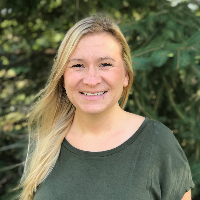
About Nicolette
Nicolette Ulstrom uses a relationship-focused, person-centered approach in her work. She draws on eight years of clinical experience to help people manage anxiety, addiction, depression, and life transitions.
Background and approach
Nicolette holds a Master of Science in Marriage and Family Therapy and is a licensed marriage and family therapist - LMFT - in Minnesota. She starts by listening to each person's story and looking for strengths to build on.
Sessions focus on practical steps people can try between meetings, such as new ways to handle stress, communicate needs, or cope with cravings. She values clear, simple strategies that fit into everyday life.
Nicolette has experience at a family residential treatment center where growth happened through increased self-awareness. That background informs her interest in attachment issues, family of origin concerns, and relationship patterns.
She also works with issues tied to identity and sexuality, including LGBT topics and women's concerns. Her work blends Client-Centered methods with tools from Dialectical Behavior Therapy and Emotionally-Focused Therapy.
She also uses Motivational Interviewing and Narrative Therapy ideas to help people change unhelpful patterns and rewrite parts of their story. People can expect a supportive, side-by-side style.
Nicolette encourages small steps toward goals like improved self-esteem, healthier communication, or greater emotional balance. She aims to help people reconnect with what matters to them and find more joy and purpose.
Therapeutic approaches you can use online
Client-Centered Therapy focuses on listening, empathy, and the person's own goals. It helps when someone needs a calm, accepting space to talk through feelings and figure out next steps.Dialectical Behavior Therapy, or DBT, teaches concrete skills for managing strong emotions, reducing impulsive behaviors, and improving relationships. It can be useful for people dealing with intense anxiety, anger, or patterns tied to substance use.
Emotionally-Focused Therapy helps people understand and express emotions in ways that improve connections and reduce distress. It is often used when relationship patterns or attachment issues feel stuck.
Choosing the right approach is a collaborative process. The therapist will talk with each person about goals, preferences, and what feels most helpful, and then adapt methods as work progresses.
Online therapy offers flexible ways to meet: video calls for face-to-face conversation, phone sessions when video is not needed, live chat for shorter check-ins, and text-based messaging for ongoing support between appointments. These options make it easier to fit therapy into busy schedules, handle unexpected days, and choose the format that best supports the work.
Frequently asked questions
What concerns does this therapist address?
What is the therapy style and approach?
What background and experience does she have?
What credentials and location are listed?
Which languages are supported and are international clients accepted?
What session formats are available?
How much do sessions cost?
How do I begin working with this therapist?
Specialties and expertise
Top specialties
- Stress, Anxiety
- Addictions
- Relationship issues
Also works with
- Adoption and foster care
- Anger management
- Attachment issues
- Bipolar disorder
- Body image
- Career difficulties
- Codependency
- Communication problems
- Coping with life changes
- Depression
- Family conflicts
- Family of origin issues
- Family problems
- Grief
- Intimacy-related issues
- LGBT
- Life purpose
- Parenting issues
- Self esteem
- Self-love
- Sexuality
- Trauma and abuse
- Women's issues
Therapeutic approaches
- Experience
- 8 years
- Licensed
- Minnesota
- Languages
- English