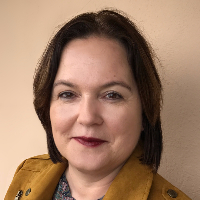
Anne Douglas
LMFTNorth Carolina
- 25 yrs practicing
Stress, Anxiety · Relationship · Family · +16
Read profileTherapist listings on this page link to BetterHelp. We will earn a commission if you sign up through one of those links, at no extra cost to you.
This directory page lists clinicians who indicate OCD as a focus area and who describe approaches used in their work. Browse the profiles below to compare backgrounds, approaches, languages, and client focus to find a good match.
North Carolina
Stress, Anxiety · Relationship · Family · +16
Read profileMinnesota
Stress, Anxiety · Relationship · Trauma and abuse · +14
Read profileLouisiana
Stress, Anxiety · Relationship · Family · +12
Read profileDelaware
Relationship · Family · Trauma and abuse · +15
Read profileNorth Carolina
Stress, Anxiety · Relationship · Trauma and abuse · +12
Read profileIndiana
Stress, Anxiety · Relationship · Family · +13
Read profileNew Jersey
Stress, Anxiety · Relationship · Trauma and abuse · +14
Read profileCalifornia
Stress, Anxiety · Addictions · Relationship · +16
Read profileCalifornia
Stress, Anxiety · Addictions · Relationship · +15
Read profileSouth Carolina
Stress, Anxiety · Relationship · Family · +3
Read profileNevada
Stress, Anxiety · Addictions · Relationship · +11
Read profileDistrict of Columbia
Addictions · Relationship · Family · +5
Read profileTexas
Stress, Anxiety · Self esteem · Career · +7
Read profileCalifornia
Stress, Anxiety · Relationship · Grief · +2
Read profileCalifornia
Trauma and abuse · Intimacy-related issues · Bipolar · +10
Read profileKentucky
Stress, Anxiety · Relationship · Family · +2
Read profileCalifornia
Stress, Anxiety · Relationship · Trauma and abuse · +13
Read profileWashington
Stress, Anxiety · Relationship · Family · +17
Read profileCalifornia
Stress, Anxiety · Relationship · Family · +14
Read profileCalifornia
Stress, Anxiety · Relationship · Parenting · +13
Read profileCalifornia
Addictions · Relationship · Family · +17
Read profileObsessive-compulsive disorder, commonly shortened to OCD, involves recurring thoughts, images, or urges that feel intrusive and distressing and repetitive behaviors or mental acts that a person may perform to reduce that distress. You may hear these described as obsessions and compulsions. Obsessions can take many forms - concerns about contamination, fears of harming others, an intense need for symmetry, intrusive sexual or blasphemous thoughts, or repetitive doubts about safety. Compulsions can be outward actions such as washing, checking, or repeating, or inward strategies such as mentally counting or seeking reassurance.
OCD can affect daily routines, relationships, work or school performance, and your sense of freedom. The time spent on compulsive rituals or the level of anxiety triggered by intrusive thoughts can make ordinary tasks feel overwhelming. People with OCD often describe feeling trapped between the urge to neutralize distress and the awareness that the behaviors are excessive. The condition shows up differently across individuals and across the lifespan - symptoms can shift in content or intensity, and stress often amplifies them. Recognizing the ways OCD shows up for you is a first step toward finding approaches that address your specific patterns.
You might consider seeking a therapist if repetitive thoughts or behaviors interfere with how you want to live, even when you try to resist them. If obsessions occupy a large portion of your day, if compulsions take a long time or cause you to avoid people or places, or if you find yourself repeatedly asking others for reassurance, these are common reasons people look for help. You may also notice that rituals cause friction in relationships or that attempts to hide symptoms increase stress.
Therapy can be useful if worry about making a mistake, fear of contamination, or intrusive images lead you to change routines or avoid activities you once enjoyed. You might also look for therapy if you experience mood shifts, mounting fatigue from constant mental effort, or difficulty concentrating because of obsessive thoughts. Finally, if you have tried to manage these patterns on your own without lasting change, working with a clinician who focuses on OCD may help you learn tools to reduce the hold these thoughts and behaviors have on your life.
When you begin working with a therapist about OCD, sessions often start with a careful assessment of your history, symptom patterns, and how your obsessions and compulsions show up day to day. You can expect an exploration of triggers, the strategies you use to manage anxiety, and the impact on relationships or work. Your therapist will typically ask about what you have tried already and what has or has not helped, so treatment can be tailored to your situation.
Therapy tends to be collaborative. You and your clinician will set goals together, plan steps to reduce compulsive behaviors or the urge to perform them, and build skills to tolerate distressing thoughts without responding in ways that reinforce them. Early sessions may focus on education about the nature of OCD and learning techniques to manage anxiety in the moment. Later sessions often involve practicing new responses to triggers in session and, when appropriate, in real-world situations. Homework and regular practice outside sessions are commonly part of the process so changes generalize to daily life. You should expect a gradual progression - relief often comes through repeated practice of new strategies rather than immediate elimination of all distress.
There are several therapeutic approaches that people frequently use for OCD, and therapists in this directory may list different methods among their practices. Exposure and response prevention, often referred to by its initials ERP, is a form of behavior-focused work that involves gradual and supported exposure to feared thoughts or situations while reducing or refraining from compulsive responses. This method directly targets the cycle of ritual and relief by helping you learn that anxiety can decrease on its own and that feared outcomes are less likely than they feel.
Other approaches that therapists may list include cognitive-behavioral strategies that help you identify and evaluate the thoughts that fuel obsessions, acceptance-based techniques that teach how to make space for uncomfortable thoughts without acting on them, and mindfulness practices that build observation skills without judgment. Some clinicians mention using family-inclusive approaches to help partners or family members learn how to respond in ways that reduce accommodation of rituals. You may also find therapists who list complementary methods such as stress management, relapse prevention planning, or work that addresses co-occurring issues like anxiety or depression. When reviewing profiles, note which approaches a therapist lists and how they describe applying those methods in practice, since the same approach can look different from one clinician to another.
Online therapy has become a common option for people seeking help for OCD, offering access to clinicians regardless of geographic location. Sessions usually occur via video call and follow a structure similar to in-person work - assessment, skills teaching, and guided practice. Some therapists use supported video platforms that mimic a face-to-face conversation, while others may include messaging or supplemental digital tools to support between-session practice. For ERP work done remotely, clinicians will collaborate with you to design exposures that you can safely practice at home or in community settings, and they may coach you through steps during or between sessions.
When working online, you will want to plan for a quiet, comfortable environment where you can engage without interruptions. Clear technology and a reliable internet connection help the process run smoothly. You may find that online sessions make it easier to practice exercises in your actual living environment, which can be an advantage for ERP because exposures often involve real-life triggers. Discuss with a clinician how they structure remote practice and what kinds of homework or real-world exercises they assign so you have a sense of how treatment will fit into your life.
Selecting the right clinician is a personal process. Start by looking for therapists who indicate OCD as a focus and read how they describe their approach to working with obsessive thoughts and rituals. Pay attention to language that resonates with you - some clinicians emphasize gradual exposure and behavior change, while others highlight acceptance strategies or family involvement. Consider practical factors such as the clinician's professional credentials and years of experience, the populations they work with, and languages they speak if that matters to you.
It can be helpful to reach out with brief questions about how a therapist applies their approaches to OCD, what a typical session looks like, and how they support practice between sessions. You might ask how they involve partners or family members when needed, or how they tailor exposures to your daily routine. Trust your sense of fit during initial conversations - the therapeutic relationship itself, including feeling heard and understood, is a major component of effective work. Finally, think about logistics that support consistency, such as session length and communication style, so you can commit to the practice that often leads to durable change.
Finding effective help for OCD often means matching the right approach to your pattern of symptoms and building a collaborative relationship with a clinician who understands your values and goals. Use the listings on this page to compare profiles, approaches, and specialties so you can identify therapists who describe ways of working that align with what you need. Taking that step can open a path toward more manageable habits and greater daily freedom from intrusive thoughts and rituals.
Alabama
13 therapists
Arizona
17 therapists
California
1441 therapists
Colorado
29 therapists
Connecticut
16 therapists
Florida
174 therapists
Georgia
46 therapists
Hawaii
18 therapists
Idaho
10 therapists
Illinois
20 therapists
Indiana
38 therapists
Iowa
7 therapists
Kentucky
14 therapists
Louisiana
24 therapists
Massachusetts
8 therapists
Michigan
13 therapists
Minnesota
45 therapists
Mississippi
7 therapists
Missouri
17 therapists
Nevada
35 therapists
New Jersey
21 therapists
New York
45 therapists
North Carolina
48 therapists
Oklahoma
36 therapists
Oregon
23 therapists
Pennsylvania
18 therapists
South Carolina
16 therapists
Tennessee
37 therapists
Texas
144 therapists
Utah
24 therapists
Virginia
17 therapists
Washington
36 therapists
Wisconsin
17 therapists