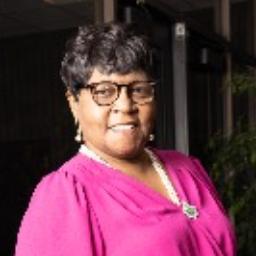
About Nita
Nita Scott is a licensed marriage and family therapist who brings 30 years of clinical experience to her work in Florida. She focuses on helping people facing family conflict, intimacy-related issues, stress, anxiety, and addiction.
Background and approach
Her approach centers on straightforward conversation and practical problem solving. She aims to make the first steps into therapy feel doable and supportive.
In sessions she creates an open setting where clients can share thoughts and feelings without judgment. She listens for patterns that contribute to repeated struggles and helps people try different ways of relating.
That can mean planning small behavioral changes or practicing new communication skills between sessions. Her background includes work with grief, trauma and abuse, depression, bipolar concerns, and compassion fatigue.
She also helps with parenting strain, blended family issues, and concerns around pregnancy and childbirth. Multicultural issues and LGBT-related topics are part of her regular work.
Nita uses proven therapeutic techniques to address relationship problems and life transitions. She mixes coaching-style problem solving with longer-term psychotherapy when needed.
The goal is to help people manage symptoms, navigate change, and build more satisfying connections. People who choose her often want clear direction, steady support, and tools they can use between sessions.
She offers sessions in English and conducts therapy through a range of online formats to fit different schedules and needs.
Therapeutic approaches and online care
Evidence-based methods are used to help people change patterns that cause ongoing stress and relationship pain. One common approach focuses on communication and behavior change - it helps clients notice interaction patterns, try different responses, and practice new skills to reduce conflict and increase connection. Another frequent method blends short-term coaching with psychotherapy, giving concrete steps to try between sessions while addressing deeper emotional concerns when needed.Choosing the right approach is a collaborative process. The therapist will work with each person to identify goals, try methods that match those goals, and adjust the plan as progress is made. That collaboration helps make sure the work feels useful and fits each client's preferences and life circumstances.
Online therapy options include video calls, phone sessions, live chat, and text-based messaging to fit busy lives. Video calls let people work face to face when that matters. Phone sessions can be easier when bandwidth is limited or a simpler check-in is needed. Live chat and text messaging support short updates, coaching-style exchanges, and flexibility for people who prefer writing. These formats make it easier to fit therapy into work, parenting, or caregiving schedules.
Frequently asked questions
What kinds of concerns does she address?
What is her therapeutic style like?
How much clinical experience does she have?
What credentials and location should I know about?
Which languages are supported for sessions?
What session formats are offered?
How does payment and cost work?
How do I get started with therapy?
Specialties and expertise
Top specialties
- Family conflicts
- Intimacy-related issues
Also works with
- Addictions
- ADHD
- Bipolar disorder
- Blended family issues
- Career difficulties
- Coaching
- Compassion fatigue
- Coping with life changes
- Depression
- Grief
- Hospice and end-of-life counseling
- LGBT
- Multicultural concerns
- Parenting issues
- Pregnancy and childbirth
- Relationship issues
- Stress, Anxiety
- Trauma and abuse
- Women's issues
- Experience
- 30 years
- Licensed
- Florida
- Languages
- English