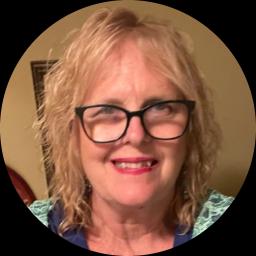
About Wendy
Dr. Wendy Petzel helps people who are dealing with stress, anxiety, relationship struggles, trauma and abuse, grief, and depression.
Background and approach
She writes plainly and listens carefully to understand what matters most to each person. Her first aim is to make space for a client's story and strengths.
With 31 years of experience, Dr. Petzel uses several approaches to match the needs of the person in front of her.
She draws on attachment-focused work to look at how early bonds shape current relationships. She also uses cognitive behavioral ideas to spot unhelpful thinking and try practical ways to change it.
For relationship concerns she integrates tools from the Gottman Method and Imago Relationship Therapy to improve communication and rebuild connection. When trauma and loss are present, she brings trauma-informed and psychodynamic perspectives to help process painful memories and patterns.
Dr. Petzel is a Licensed Marriage and Family Therapist - LMFT - practicing in Florida.
Her style is collaborative and straightforward. She helps people find steps that fit their life and values.
People who reach out can expect clear, focused work that balances problem-solving with attention to deeper patterns. She supports caregivers, first responders, veterans, and others facing heavy stressors, and works with issues like attachment, codependency, isolation, and life purpose.
Her approach is to meet a person where they are, name what gets in the way, and try realistic changes together. That practical, steady focus guides how she works with each person.
How therapeutic approaches translate to online care
Attachment-Based Therapy looks at how early relationships shape current patterns and connection. Online work with this approach helps people notice how they relate to others now and practice new ways of reaching out or setting boundaries. Cognitive Behavioral Therapy, or CBT, focuses on identifying unhelpful thoughts and testing practical behavior changes to reduce anxious or low moods. It works well through structured conversations and short between-session activities.Choosing the right approach is part of the work together. The therapist will talk with the person about goals, try methods that fit those goals, and adjust as needed. That collaborative process keeps the focus on what helps most in real life rather than on matching a single label.
Online sessions are offered as video calls, phone sessions, live chat, or text-based messaging to give flexibility. Video is useful for deeper conversations and nonverbal cues, phone calls can fit a break at work or require less bandwidth, and chat or messaging can support quick check-ins or ongoing reflection. These options make it easier to fit therapy into a busy schedule and continue work between sessions.
Frequently asked questions
What concerns does she help with?
What is her therapy style like?
How much experience does she have?
What are her credentials and where is she located?
Which languages are available for sessions?
What session formats does she use?
How are fees handled?
How do I begin working with her?
Specialties and expertise
Top specialties
- Stress, Anxiety
- Relationship issues
- Trauma and abuse
Also works with
- Attachment issues
- Caregiver issues and stress
- Codependency
- Communication problems
- Coping with natural or human-caused disaster
- Depression
- Family of origin issues
- First responder issues
- Forgiveness
- Grief
- Hospice and end-of-life counseling
- Isolation / loneliness
- Life purpose
- Post-traumatic stress
- Self-love
- Veteran and Armed Forces Issues
Therapeutic approaches
- Experience
- 31 years
- Licensed
- Florida
- Languages
- English