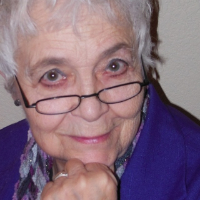
About Carol
Dr. Carol Carrell helps people manage stress, anxiety, depression, relationship problems, grief, and addiction concerns.
Background and approach
She also supports people facing caregiver strain, chronic illness or pain, LGBT questions, parenting strain, sleep problems, anger, self-esteem struggles, career transitions, and ADHD-related challenges. She has three decades of clinical experience and uses practical, down-to-earth methods in sessions.
She draws from client-centered work that focuses on what matters to each person. She also uses cognitive behavioral techniques to address unhelpful thoughts and behaviors.
Dialectical behavior strategies and emotionally-focused ideas help with intense emotions and relationship patterns. She mixes approaches based on a person’s needs rather than following one rigid method.
In sessions she emphasizes listening first and then helping people try manageable changes. Conversations are straightforward and focused on skills people can use between appointments.
Many people appreciate a calm, steady presence when dealing with life changes and trauma. Carol has a long career as a therapist, professor, and supervisor.
Her experience includes work with caregivers, first responders, and people coping with medical challenges. She aims to create a safe, respectful space where goals are clear and progress is practical.
She holds a Licensed Marriage and Family Therapist credential and practices in California. Dr.
Carrell invites people to bring the real problems they face and to work together toward realistic change.
Approaches that translate to online care
Client-Centered Therapy focuses on understanding each person’s perspective and building a collaborative relationship; it helps people feel heard and shape goals that matter to them. Cognitive Behavioral Therapy (CBT) targets unhelpful thoughts and behaviors with practical exercises and homework that can be done between sessions to reduce anxiety and depression. Dialectical Behavior Therapy (DBT) offers skills for managing intense emotions and improving relationships, using concrete tools like emotion regulation and distress tolerance.Finding the right approach is part of the work. The therapist will talk with the client about goals, preferences, and how problems show up day to day, then recommend approaches to try. Decisions about methods are collaborative and can be adjusted as progress is made.
Online therapy formats include video calls, phone sessions, live chat, and text-based messaging, which give practical flexibility. Video lets people use visual cues for deeper conversations. Phone sessions can be easier when bandwidth or camera use is limited. Live chat and text-based messaging support brief check-ins, note-taking, or ongoing coaching between longer sessions. These options help fit therapy into busy schedules and different life demands.
Frequently asked questions
What kinds of concerns does she help with?
What is her therapeutic style like?
How much experience does she have?
What credentials and location are listed?
Are sessions offered in other languages or internationally?
In what formats are sessions provided?
How does cost and billing work?
What are the first steps to begin therapy?
Specialties and expertise
Top specialties
Also works with
- Addictions
- ADHD
- Aging and geriatric issues
- Anger management
- Blended family issues
- Cancer
- Career difficulties
- Caregiver issues and stress
- Chronic pain, illness, and disability
- Co-morbidity
- Coaching
- Codependency
- Commitment issues
- Communication problems
- Compassion fatigue
- Control issues
- Coping with life changes
- Coping with natural or human-caused disaster
- Domestic violence
- Drug and alcohol addiction
- Emptiness
- Family conflicts
- Family of origin issues
- First responder issues
- Forgiveness
- Gender dysphoria
- Grief
- Guilt and shame
- HIV / AIDS
- Hoarding
- Hospice and end-of-life counseling
- Intimacy-related issues
- Life purpose
- Midlife crisis
- Multicultural concerns
- Panic disorder and panic attacks
- Parenting issues
- Post-traumatic stress
- Postpartum depression
- Pregnancy and childbirth
- Prejudice and discrimination
- Relationship issues
- Seasonal Affective Disorder (SAD)
- Self esteem
- Self-love
- Sexual assault and abuse
- Sleeping disorders
- Social anxiety and phobia
- Trauma and abuse
- Traumatic brain injury
- Veteran and Armed Forces Issues
- Women's issues
- Workplace issues
Therapeutic approaches
- Client-Centered Therapy
- Cognitive Behavioral Therapy (CBT)
- Dialectical Behavior Therapy (DBT)
- Emotionally-Focused Therapy (EFT)
- Existential Therapy
- Jungian Therapy
- Mindfulness Therapy
- Motivational Interviewing
- Narrative Therapy
- Psychodynamic Therapy
- Solution-Focused Therapy
- Somatic Therapy
- Trauma-Focused Therapy
- Experience
- 30 years
- Licensed
- California, Arizona
- Languages
- English