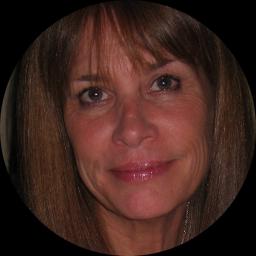
About Susan
Susan Bump is a licensed marriage and family therapist practicing in California. She draws on five years of clinical experience to help people facing stress, anxiety, relationship tensions, trauma, self-esteem struggles, and big life changes.
Background and approach
She aims to make the first step feel manageable and supportive. Susan offers a calm, open space where clients can talk about difficult feelings without judgment.
Sessions focus on understanding patterns that keep people stuck and on finding clearer ways to cope day to day. Conversations are practical and grounded in what the client wants to change.
Her work pays attention to early attachment and the body’s signals. That means she looks at how early relationships shape current bonds and how the body holds on to emotions.
This combination helps with issues like abandonment, codependency, communication problems, and the lingering effects of abuse or trauma. She also supports people dealing with life stage concerns such as midlife transitions, aging and geriatric issues, caregiver stress, and questions about purpose.
Other common topics include body image, guilt and shame, forgiveness, and cultivating self-love. Sessions blend talking and somatic awareness to help people notice what they feel and how they react.
Over time clients learn skills to manage anxiety, rebuild trust in relationships, and make choices that fit their goals. Susan describes the process as collaborative and paced to each person’s needs.
Attachment and Somatic Work Online
Susan uses attachment-based ideas to look at how early relationships shape current connections. This helps people notice patterns in trust, closeness, and communication and address relationship-related anxiety or abandonment worries. She also uses somatic therapy to help clients notice bodily reactions tied to emotion. Paying attention to breath, posture, and tension can reveal how the body holds stress and trauma, and it can open up new ways to regulate strong feelings. Choosing the right approach is part of the work. The therapist will collaborate with each person to decide whether attachment-focused conversations, somatic practices, or a mix of both best matches their needs and goals. This is a shared process that adapts over time. Online formats make regular therapy easier to fit into daily life. Video calls allow face-to-face conversation for deeper relational work, while phone sessions can be simpler when bandwidth is limited. Live chat and text-based messaging are helpful for brief check-ins, processing between sessions, or people who prefer writing. These options offer flexibility so therapy can continue around work, caregiving, and life demands.Frequently asked questions
What kinds of problems does she help with?
What is her therapy style?
How long has she been practicing?
Where is she licensed and practicing?
Which languages are sessions offered in?
What session formats are available?
How much do sessions cost?
How do I begin working with her?
Specialties and expertise
Top specialties
- Stress, Anxiety
- Relationship issues
- Trauma and abuse
Also works with
Therapeutic approaches
- Experience
- 5 years
- Licensed
- California
- Languages
- English