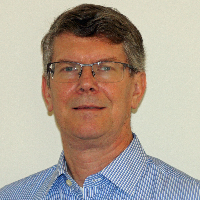
About Stephen
Stephen Creel uses a collaborative, person-centered approach to help people find steadiness and clearer direction in life. He is a licensed Marriage and Family Therapist with 24 years of experience and practices in California.
Background and approach
Stephen writes in plain terms and focuses on practical steps that help people feel better and more able to cope. He began his career as a working musician and later completed a Master’s degree in Clinical Psychology from Pepperdine University.
That background shaped his understanding of highs and lows, and why people sometimes lose a sense of purpose. He has since worked in rehabilitation settings and independent practice with people facing substance use, trauma, depression, and anxiety.
Sessions are collaborative and steady. He listens first, then helps people identify unhelpful beliefs that lead to shame, guilt, or avoidance.
Together they explore small, manageable changes that reduce distress and rebuild confidence. Stephen draws on several methods, including client-centered work, cognitive behavioral techniques, trauma-focused methods, EMDR, and motivational interviewing.
He adapts approaches to each person’s needs rather than following a fixed script. Common concerns he addresses include addiction and recovery, grief, relationship strain, parenting stress, and career or midlife transition.
He also helps with panic, mood disorders, codependency, and issues connected to military experience. Sessions are offered in English and delivered through video, phone, live chat, or text-based messaging.
People start by completing a short matching questionnaire and scheduling a time that works for them.
How Stephen’s Methods Work Online
Client-centered work focuses on understanding the person’s experience and building a trusting working relationship. It involves active listening, reflective feedback, and helping clients set their own goals to feel more in control and understood.Cognitive Behavioral Therapy, or CBT, helps people notice patterns of thought that increase anxiety or depression and then try small experiments to change those thoughts and behaviors. This approach is practical and often used for panic, mood shifts, and managing daily stress.
EMDR, or Eye Movement Desensitization and Reprocessing, is used when past events continue to cause strong reactions. It involves guided processing of troubling memories to reduce their emotional charge and ease symptoms tied to trauma.
Finding the right approach is part of the process. The therapist will work together with the client to choose methods that match goals, comfort level, and the problem at hand. Treatment can shift over time as needs change and progress is made.
Online sessions are offered by video calls, phone, live chat, or text-based messaging to make therapy more flexible. Video is useful for deeper conversations and exercises that use visual cues. Phone sessions can be easier when internet bandwidth is limited. Live chat and messaging support brief check-ins, reflections between sessions, or ongoing encouragement without scheduling a full call. These options help therapy fit into busy lives and different routines.
Frequently asked questions
What concerns does Stephen commonly address?
What is his therapeutic style like?
How much clinical experience does he have?
What credentials and location should I know about?
Which languages are sessions offered in?
In what formats are sessions available?
How does pricing for sessions work?
How do I begin working with him?
Specialties and expertise
Top specialties
Also works with
- Anger management
- Career difficulties
- Caregiver issues and stress
- Codependency
- Communication problems
- Coping with life changes
- Depression
- Drug and alcohol addiction
- Family conflicts
- Family of origin issues
- Forgiveness
- Grief
- Guilt and shame
- Intimacy-related issues
- Isolation / loneliness
- Life purpose
- Midlife crisis
- Mood disorders
- Panic disorder and panic attacks
- Parenting issues
- Post-traumatic stress
- Process addiction (porn, exercise, gambling)
- Relationship issues
- Self esteem
- Self-love
- Sex addiction
- Veteran and Armed Forces Issues
Therapeutic approaches
- Experience
- 24 years
- Licensed
- California, Texas, Virginia
- Languages
- English