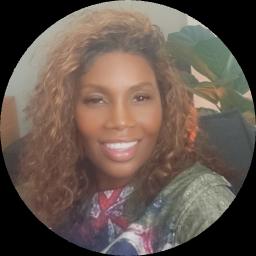
Shacoya Graham, LMFT
Practical support for addiction and relationship struggles
About Shacoya
Shacoya Graham helps people facing addictions, relationship strain, family conflict, trauma and abuse, and mood concerns such as bipolar disorder. She presents a calm and direct approach that aims to make hard conversations easier.
Background and approach
Shacoya is a licensed marriage and family therapist in North Carolina, listed as LMFT, and brings five years of clinical experience to her work. In sessions she focuses on what matters most to each person.
She listens without judgment and adapts her questions and suggestions to each situation. Conversations lead to practical steps you can try between meetings, and she checks in about how those steps go.
Her background includes work with attachment issues, blended family dynamics, codependency, and substance-related concerns. She also supports people dealing with fertility stress, infidelity, shame, and multicultural challenges.
These areas often overlap, and she helps people untangle what is causing the most pain right now. Shacoya draws from several therapy styles to suit the client.
She uses attachment-based ideas to map important relationships and emotionally-focused techniques to repair connection. Cognitive behavioral tools help people shift unhelpful thoughts and behaviors.
Sessions are collaborative and paced to each person's comfort. She offers services in English and works from North Carolina.
Beginning therapy can feel uncertain, and Shacoya aims to make the process straightforward. She invites people to take a first step and see how short-term changes can lead to longer-term improvements.
Therapeutic approaches and online care
Shacoya often combines attachment-based work and cognitive behavioral tools. Attachment-based ideas help map important relationships and show how early patterns affect present reactions. This approach can be useful for people struggling with connection, trust, or recurring relationship cycles. Cognitive behavioral therapy, or CBT, focuses on identifying unhelpful thoughts and testing small behavior changes. CBT is commonly used for mood shifts, anxiety, and habits linked to substance use.Finding the right approach is part of the work. She will talk with each person about goals, preferences, and what feels most helpful. Together they try methods and adjust the plan based on what produces real change and comfort.
Online sessions are offered by video call, phone, live chat, or text-based messaging to increase flexibility. Video calls work well for deeper conversation and seeing facial cues. Phone sessions can fit a break at work or be used when bandwidth is limited. Live chat or text messaging allow brief check-ins and ongoing support between appointments. These options make it easier to keep therapy consistent around family, work, or travel.
Frequently asked questions
What kinds of concerns does Shacoya help with?
How would you describe her therapeutic style?
What is her clinical background and experience?
What credential does she hold and where does she practice?
Which languages are supported during sessions?
Can people outside the United States work with her?
What session formats are available?
How does payment and getting started work?
Specialties and expertise
Top specialties
- Addictions
- Relationship issues
- Family conflicts
Also works with
- Attachment issues
- Bipolar disorder
- Blended family issues
- Codependency
- Communication problems
- Dependent personality
- Drug and alcohol addiction
- Fertility issues
- Forgiveness
- Guilt and shame
- Infidelity
- Jealousy
- Life purpose
- Men's issues
- Midlife crisis
- Multicultural concerns
- Polyamory / non-monogamous relationships
- Post-traumatic stress
- Postpartum depression
- Prejudice and discrimination
- Process addiction (porn, exercise, gambling)
- Self-love
- Trauma and abuse
- Women's issues
- Workplace issues
Therapeutic approaches
- Experience
- 5 years
- Licensed
- North Carolina
- Languages
- English