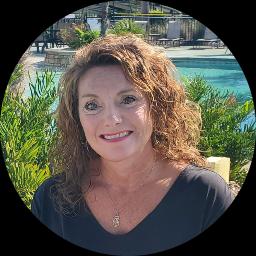
Sarai "Christi" Webb-Vanderpoorten, LMFT
Experienced therapist blending life and clinical experience
About Sarai
Sarai "Christi" Webb-Vanderpoorten is a Licensed Marriage and Family Therapist (LMFT) with three decades of clinical work. She trained at the University of Southern Mississippi and has practiced in both inpatient settings and outpatient independent practice.
Background and approach
Christi blends practical life experience with clinical work and brings a direct, caring style to sessions. She looks at people from physical, emotional, mental, and spiritual angles.
She encourages changes that help people solve problems and improve daily life. Christi often speaks plainly and honestly while remaining warm and compassionate.
Her practice focuses on struggles such as depression, anxiety, trauma and abuse, and addictions. She also helps with relationship and family concerns, grief, parenting stress, body image and eating issues, and problems with impulsivity and control.
Priorities include helping clients find purpose and rebuild self-esteem. Christi uses a mix of approaches depending on the person’s needs.
She draws from client-centered methods, cognitive behavioral strategies, dialectical behavior skills, emotionally-focused work, and mindfulness practices. Sessions emphasize practical skills, clearer communication, and small steps toward goals.
Clients can expect straightforward feedback, homework when helpful, and conversations that connect life experience to goals. Christi’s background as a fitness instructor and nutrition-focused clinician informs a whole-person view.
She practices in Alabama and speaks English.
Therapeutic approaches and online care that fit your life
Client-centered therapy focuses on understanding each person’s experience and building on their strengths; it’s helpful for people who want a respectful, collaborative space to talk through life challenges. Cognitive Behavioral Therapy, or CBT, looks at patterns of thinking and behavior and teaches concrete tools to reduce anxiety, manage mood, and change unhelpful habits. Dialectical Behavior Therapy, DBT, adds skills for emotion regulation, distress tolerance, and improved communication, which can be useful for people dealing with intense emotions and impulsive behavior.Finding the right approach is part of the process. The therapist will work with clients to figure out which methods fit best based on their goals, preferences, and day-to-day needs. That collaborative process helps shape session focus and the types of skills practiced between meetings.
Online therapy offers flexibility in how people connect. Video calls provide face-to-face conversation when visual cues help. Phone sessions are useful when bandwidth is limited or when a shorter check-in fits a busy schedule. Live chat and text-based messaging let people share updates or get support between sessions and can make it easier to keep momentum on goals. These options let clients arrange care around work, family, and other commitments.
Frequently asked questions
What concerns does she work with?
How would you describe her therapy style?
How much clinical experience does she have?
What are her credentials and practice location?
Which languages are supported in sessions?
What session formats are available?
How does cost and payment work?
How do I begin working with her?
Specialties and expertise
Top specialties
- Addictions
- Relationship issues
- Family conflicts
Also works with
- Blended family issues
- Body image
- Codependency
- Communication problems
- Control issues
- Coping with life changes
- Dependent personality
- Depression
- Divorce and separation
- Drug and alcohol addiction
- Eating and food-related issues
- Eating disorders
- Family of origin issues
- Family problems
- First responder issues
- Forgiveness
- Grief
- Guilt and shame
- Impulsivity
- Infidelity
- Intimacy-related issues
- Life purpose
- Mood disorders
- Obsessions, compulsions, and OCD
- Panic disorder and panic attacks
- Parenting issues
- Post-traumatic stress
- Seasonal Affective Disorder (SAD)
- Self esteem
- Self-love
- Sexual assault and abuse
- Sexual dysfunction
- Social anxiety and phobia
- Stress, Anxiety
- Trauma and abuse
- Veteran and Armed Forces Issues
- Women's issues
Therapeutic approaches
- Experience
- 30 years
- Licensed
- Mississippi, Alabama
- Languages
- English