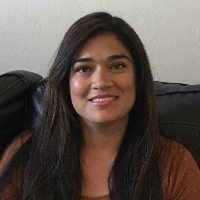
About Rachel
Rachel Bentley is a licensed marriage and family therapist who brings eight years of clinical work to her practice in Arizona. She draws on a broad background in school-based counseling, group homes, addiction programs, and residential work with adults to guide people through hard moments.
Background and approach
Rachel writes and speaks plainly with parents and individuals, focusing on practical steps they can use right away. Her approach centers on how early attachments shape current relationships.
She explains how past caregiver connections can influence feelings, reactions, and relationship patterns now. Rachel helps people notice which coping habits no longer work and teaches ways to make different choices.
Sessions often look at communication, boundaries, and trust. She uses techniques from cognitive behavioral approaches to address unhelpful thoughts and from emotion-focused methods to deepen connection and healing.
Skills for managing anxiety, anger, and impulsivity are taught in straightforward, repeatable ways. Rachel also addresses substance use, grief, intimacy concerns, and parenting strain.
She emphasizes building on existing strengths so change feels achievable rather than overwhelming. Her work is collaborative and paced to each person’s needs.
Outside of therapy she is involved in her children's school and sports activities and has long experience supporting military families. That background informs a practical, down-to-earth style intended to help people get unstuck and move forward.
Therapeutic approaches and online care that fit your life
Attachment-Based Therapy looks at how early connections shape how people relate now. It helps when relationship patterns, abandonment fears, or attachment worries cause ongoing distress. Cognitive Behavioral Therapy, or CBT, focuses on identifying unhelpful thoughts and testing them with real-life experiments; it is often used for anxiety, depression, and anger. Emotionally-Focused Therapy centers on emotions and bonding in relationships to help people feel seen and improve closeness.Choosing the right approach is part of the therapeutic process. The therapist will work together with each person to decide which methods make the most sense for their goals, needs, and comfort level. Plans are adjusted over time based on what helps most.
Online therapy offers flexible ways to meet. Video calls let people use face-to-face conversation, phone sessions work when bandwidth is low or a shorter check-in is needed, and live chat or text messaging suits quick reflections or ongoing support between sessions. These options make it easier to fit therapy around school, work, or family life while maintaining consistency in care.
Frequently asked questions
What concerns does Rachel address?
What is her therapy style like?
How long has she been practicing clinically?
What credential does she hold and where is she based?
Which languages are supported for sessions?
Can people outside the U.S. work with her?
What session formats are available?
How does payment and scheduling work?
Specialties and expertise
Top specialties
- Stress, Anxiety
- Relationship issues
- Trauma and abuse
Also works with
- Abandonment
- Addictions
- Anger management
- Attachment issues
- Codependency
- Commitment issues
- Communication problems
- Control issues
- Coping with life changes
- Depression
- Divorce and separation
- Drug and alcohol addiction
- Family conflicts
- Family problems
- First responder issues
- Forgiveness
- Grief
- Guilt and shame
- Impulsivity
- Infidelity
- Intimacy-related issues
- Isolation / loneliness
- Jealousy
- Life purpose
- Money and financial issues
- Parenting issues
- Personality disorders
- Post-traumatic stress
- Postpartum depression
- Self esteem
- Self-love
- Sexual assault and abuse
- Social anxiety and phobia
- Veteran and Armed Forces Issues
- Women's issues
Therapeutic approaches
- Experience
- 8 years
- Licensed
- Arizona
- Languages
- English