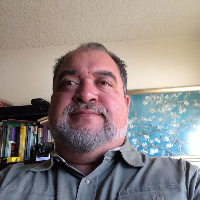
About Paul
Dr. Paul Van Zeumeren brings a practical, action-focused approach to therapy.
Background and approach
He is a licensed marriage and family therapist (LMFT) with a Doctor of Psychology degree and 11 years of clinical experience. He helps individuals facing stress, anxiety, mood shifts, and substance concerns.
His style aims to replace unhelpful patterns with more workable ways of living. He uses insight-oriented methods alongside solution-focused interventions.
That means he helps people notice what keeps problems going and then tries small, doable steps to change those patterns. Sessions often focus on clear goals and real-life actions rather than long abstract talk.
Addiction concerns are addressed by combining psychological methods with recovery philosophies. This blends research from his doctoral work with practical addiction counseling experience.
The goal is to support sustained changes in behavior and thinking related to substance use. He also supports people coping with grief, trauma, relationship strain, sleep and eating problems, anger, and life transitions.
Treatment draws on cognitive behavioral techniques, dialectical behavior skills, mindfulness, existential questions, and a client-centered stance. Each plan is shaped around what the person says they need.
Dr. Van Zeumeren practices in California and conducts sessions in English.
He approaches therapy as a collaborative process, helping people set realistic steps and track progress over time.
Practical approaches for online therapy
Dr. Van Zeumeren draws on cognitive behavioral therapy and dialectical behavior therapy to address everyday problems. Cognitive behavioral therapy (CBT) focuses on spotting unhelpful thoughts and testing new behaviors to reduce anxiety, depression, and mood swings. Dialectical behavior therapy (DBT) teaches concrete skills for emotion regulation, distress tolerance, and improving how people respond to strong feelings.He approaches treatment collaboratively. Together the therapist and client will decide which methods to try based on the person’s goals, needs, and preferences. That means trying an approach, checking how it’s going, and adjusting the plan when needed rather than committing to one fixed method up front.
Online sessions are offered by video calls, phone sessions, live chat, or text-based messaging to make care more flexible. Video calls allow more face-to-face interaction for skills practice, while phone sessions can fit a short check-in or when bandwidth is limited. Live chat and text messaging can support brief updates, coaching between sessions, or a way to track progress without scheduling a full call.
Frequently asked questions
What concerns does this therapist help address?
How would you describe his therapeutic style?
What is his background and experience?
Where is he licensed and based?
Which languages are supported for sessions?
What session formats are offered?
How is cost and billing handled?
How do I begin working with him?
Specialties and expertise
Top specialties
Also works with
- Abandonment
- Aging and geriatric issues
- Anger management
- Attachment issues
- Bipolar disorder
- Career difficulties
- Caregiver issues and stress
- Codependency
- Commitment issues
- Control issues
- Coping with life changes
- Depression
- Drug and alcohol addiction
- Eating disorders
- Emptiness
- Family conflicts
- Family of origin issues
- Family problems
- Forgiveness
- Grief
- Impulsivity
- Isolation / loneliness
- Jealousy
- Life purpose
- Men's issues
- Midlife crisis
- Mood disorders
- Multicultural concerns
- Process addiction (porn, exercise, gambling)
- Relationship issues
- Seasonal Affective Disorder (SAD)
- Self esteem
- Self-love
- Sex addiction
- Sleeping disorders
- Social anxiety and phobia
- Young adult issues
Therapeutic approaches
- Experience
- 11 years
- Licensed
- California
- Languages
- English