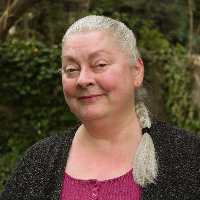
About Pamela
Pamela Peringer uses a client-centered approach that emphasizes kindness, respect, and acceptance. She is a licensed marriage and family therapist in California and draws on a mix of practical therapies to help people cope with stress, anxiety, depression, and relationship struggles.
Background and approach
Pamela speaks in plain terms and focuses on helping clients take small, meaningful steps toward what matters to them. She encourages people to notice their values and to take actions that align with those values.
Pamela often blends Acceptance and Commitment Therapy and cognitive-behavioral techniques with mindfulness practices to build new coping skills. Sessions aim to increase psychological flexibility so clients can respond to life with more openness and purpose.
Her approach also pays attention to attachment patterns and how early relationships shape current behavior. That helps when people want to work on communication problems, commitment worries, or difficulties coming from blended family dynamics.
Pamela uses practical exercises and metaphors to make insights easier to use outside of sessions. Therapy can include short skills practice, guided reflection, and planning concrete next steps.
She frames challenges like grief, trauma, or addiction as things people can learn to live with differently rather than simply eliminate. Pamela wants to help people build resilience and find more meaning in everyday life.
With 11 years of clinical experience, Pamela aims to be a steady, thoughtful presence as clients explore change. She invites people to bring their real-life concerns and to work together on clear, doable goals.
Therapeutic approaches you can access online
Acceptance and Commitment Therapy focuses on helping people notice what matters to them and take small actions toward those values, even when difficult thoughts or feelings are present. It can be useful for anxiety, depression, and life transitions. Attachment-Based Therapy looks at how early relationships shape current ways of connecting and reacting, and it helps people recognize patterns that affect communication and commitment concerns.Finding the right approach is part of the work. Pamela will collaborate with each person to choose techniques that fit their goals and day-to-day life. Sessions may mix ACT, attachment-focused work, CBT, or DBT skills based on what the person needs and prefers, and she will adjust plans as progress is made.
Online formats include video calls, phone sessions, live chat, and text-based messaging to offer flexibility. Video sessions allow more face-to-face interaction and use of visual tools, while phone sessions can be easier when bandwidth is limited. Live chat and text messaging are useful for brief check-ins, skill practice, or when someone needs a shorter connection during a busy day. These options make it easier to fit therapy into work, caregiving, or school schedules and to continue work between sessions.
Frequently asked questions
What issues does Pamela help address?
What is Pamela's therapy style like?
How much clinical experience does she have?
What credentials and location are listed for Pamela?
Which languages are supported for sessions?
What session formats are offered?
How are costs and billing handled?
How do I begin working with Pamela?
Specialties and expertise
Top specialties
- Stress, Anxiety
- Relationship issues
- Self esteem
Also works with
- Addictions
- Anger management
- Attachment issues
- Blended family issues
- Career difficulties
- Commitment issues
- Communication problems
- Compassion fatigue
- Control issues
- Coping with life changes
- Depression
- Divorce and separation
- Family conflicts
- Family of origin issues
- Family problems
- Forgiveness
- Grief
- Guilt and shame
- Isolation / loneliness
- Life purpose
- Men's issues
- Midlife crisis
- Parenting issues
- Self-love
- Trauma and abuse
- Women's issues
- Workplace issues
- Young adult issues
Therapeutic approaches
- Experience
- 11 years
- Licensed
- California
- Languages
- English