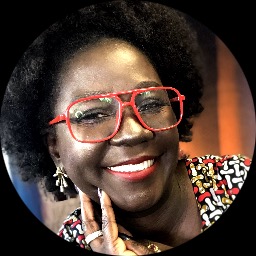
About Olufolake
Dr. Olufolake Ike is a licensed marriage and family therapist based in Texas.
Background and approach
She focuses on helping people who feel overwhelmed by stress, anxiety, relationship strain, grief, or life transitions. Her approach is practical and down-to-earth, aimed at short-term improvements and clearer next steps.
She draws on tools from Cognitive Behavioral Therapy to help people spot and change unhelpful thinking patterns. Emotionally-Focused Therapy is used when people want to understand and shift how they relate to others.
Solution-Focused Therapy helps set concrete goals and build small, manageable changes that add up over time. Dr.
Ike combines her clinical work with a background in theology and psychology, which informs her sensitivity to cultural and spiritual concerns. She explains ideas plainly and invites clients to try small experiments between sessions.
Her work often addresses issues such as codependency, communication problems, control issues, intimacy, and self-esteem. Sessions may address trauma and abuse, sexual dysfunction, forgiveness, infidelity, career stress, or the search for life purpose.
She tailors conversations to the person in front of her, helping them name priorities and choose realistic steps forward. Clients can expect a respectful, steady presence and practical strategies they can use right away.
Dr. Ike has three years of clinical experience as an LMFT, and she offers sessions in English.
Therapy is available through video, phone, live chat, and text messaging to fit different schedules and needs.
How these therapy approaches work online
Dr. Ike uses Cognitive Behavioral Therapy to help clients identify unhelpful thoughts and try new ways of thinking and acting. CBT works well for anxiety, stress, low mood, and many everyday problems by focusing on clear steps and homework between sessions.She also uses Emotionally-Focused Therapy to look at patterns in close relationships and how emotions drive interaction. EFT helps people recognize attachment needs and change how they respond to others, which can improve connection and reduce conflict.
Choosing an approach is collaborative. The therapist will talk with each person about needs, goals, and preferences, then try an approach and adjust as needed. Clients are invited to set small goals and review progress together so the plan stays useful.
Online therapy offers flexibility. Video calls let people work face-to-face without traveling. Phone sessions can fit a break at work or need less bandwidth. Live chat and text messaging are helpful for quick check-ins, shorter conversations, or ongoing coaching-style support. These options make it easier to keep therapy consistent around a busy life.
Frequently asked questions
What issues does this therapist address?
What is her therapeutic style like?
What is her clinical background?
Where is the therapist based and licensed?
Can I work with her if I live outside the United States?
What session formats are available?
How are sessions paid for and what do they cost?
How do I begin working with this therapist?
Specialties and expertise
Top specialties
- Stress, Anxiety
- Relationship issues
- Family conflicts
Also works with
- Anger management
- Career difficulties
- Coaching
- Codependency
- Communication problems
- Control issues
- Coping with life changes
- Depression
- Emptiness
- Family problems
- Forgiveness
- Grief
- Infidelity
- Intimacy-related issues
- Life purpose
- Multicultural concerns
- Self esteem
- Self-love
- Sexual dysfunction
- Trauma and abuse
- Women's issues
Therapeutic approaches
- Experience
- 3 years
- Licensed
- Texas
- Languages
- English