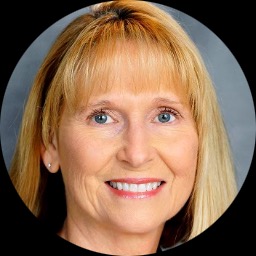
About Monica
Monica Furgiuele welcomes people who are feeling overwhelmed by stress, grief, low self-esteem, or major life changes. She is a licensed marriage and family therapist in California and brings a calm, steady presence to early conversations.
Background and approach
Monica aims to make the first steps feel possible and respectful of each person's pace. She focuses on practical ways to manage anxiety and rebuild confidence.
Sessions often begin by listening closely to what matters most and identifying small, doable changes. Monica uses straightforward tools from cognitive behavioral approaches to spot unhelpful thoughts and test out new behaviors.
Her style is warm and client-centered, which means the person's priorities guide the work. She helps people name feelings, set realistic goals, and practice skills between meetings.
Existential ideas also appear in sessions when questions about meaning, purpose, or life transitions come up. Monica has worked in clinical roles for 12 years.
That experience includes supporting people through grief, compassion fatigue, and end-of-life concerns. She also helps with body image, communication struggles, and social anxiety.
People looking to start therapy will find sessions offered as video calls, phone sessions, live chat, or text-based messaging. Monica supports a steady, collaborative pace so clients can try changes and reflect on what helps most.
How Monica uses evidence-based approaches online
Client-centered therapy focuses on listening and following the client's priorities. It creates space to talk about what matters and helps decide next steps based on the person's goals. Cognitive behavioral therapy, or CBT, breaks down patterns of thinking and behavior into manageable pieces and offers practical exercises to reduce anxiety and boost confidence. Existential therapy invites open questions about meaning, purpose, and how to face life changes in ways that feel authentic.Choosing the right approach is part of the work. Monica will collaborate with each person to try methods that fit their needs and preferences, and adjust as progress is made. This shared process helps people test what helps and drop what doesn't.
Online therapy formats include video calls, phone sessions, live chat, and text-based messaging. Video calls allow face-to-face conversation and visual cues, phone sessions can be a simpler option when bandwidth is limited, live chat is useful for quick check-ins, and text messaging supports ongoing reflection between meetings. These options make it easier to fit therapy into a busy life and keep momentum between sessions.
Frequently asked questions
What concerns does Monica often address?
How would you describe her therapeutic style?
What is her professional background?
Where is Monica licensed to practice?
Which languages are supported for sessions?
What session formats are available?
How is cost handled for sessions?
How do I begin working with Monica?
Specialties and expertise
Top specialties
Also works with
Therapeutic approaches
- Experience
- 12 years
- Licensed
- California
- Languages
- English