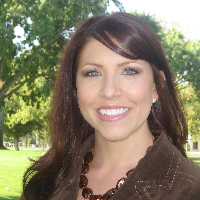
Marissa Shennan, LMFT
Compassionate, practical therapy for everyday and complex concerns
About Marissa
Marissa Shennan helps people dealing with stress, anxiety, depression, grief, and relationship or intimacy-related concerns. She also supports people facing trauma and abuse, addiction issues, parenting stress, anger, low self-esteem, and life transitions.
Background and approach
Marissa is a licensed marriage and family therapist - LMFT - practicing in Idaho and offering online care in English. She uses clear, plain talk in sessions and works side by side with clients to set realistic goals.
Sessions focus on practical steps and emotional understanding. Marissa draws from several therapy methods to match what each person needs.
Her approach centers on building stronger emotional connections and improving everyday coping. She uses attachment-based ideas to look at relationship patterns and emotionally-focused techniques to name and work with feelings.
Cognitive behavioral strategies help change unhelpful thoughts and behaviors that keep problems going. For people affected by trauma, Marissa includes EMDR and trauma-informed pacing when appropriate.
Therapy moves at a manageable rate so clients feel able to try new ways of handling old pain. She pays attention to how past family experiences shape current reactions.
Marissa brings three years of formal experience as an LMFT and practical telehealth experience. She offers sessions by video calls, phone, live chat, or text messaging.
People start by completing a short matching questionnaire and scheduling a time that fits their needs.
How therapeutic approaches translate to online care
Attachment-Based Therapy looks at how early relationship patterns shape current emotions and behavior. Online sessions use discussion and exercises to identify those patterns and practice new ways of connecting and responding. Cognitive Behavioral Therapy, or CBT, helps people spot unhelpful thoughts and try different behaviors. In video or messaging sessions CBT is adapted into short, practical tasks and homework that can be tracked between meetings.Finding the right approach is part of the work. The therapist will collaborate with clients to choose which methods to try first based on goals, needs, and preferences. That shared process may blend attachment ideas and CBT or shift focus as progress is made so the plan stays relevant.
Online formats offer real flexibility. Video calls are good for deeper conversation and reading facial cues. Phone sessions can be easier when bandwidth is limited or a shorter check-in is needed. Live chat and text-based messaging let clients send updates, try brief tools between sessions, or have therapy that fits a busy schedule. These options make it simpler to keep therapy consistent while adapting to day-to-day life.
Frequently asked questions
What kinds of concerns does this therapist address?
How would you describe her therapy style?
What is her professional background?
Where is the therapist based and what credentials are listed?
Which languages are supported for sessions?
What session formats are available?
How is cost handled for sessions?
How do I begin working with this therapist?
Specialties and expertise
Top specialties
- Stress, Anxiety
- Relationship issues
- Trauma and abuse
Also works with
- Abandonment
- Addictions
- Anger management
- Attachment issues
- Co-morbidity
- Codependency
- Communication problems
- Control issues
- Coping with life changes
- Depression
- Disruptive Mood Dysregulation Disorder (DMDD)
- Domestic violence
- Family of origin issues
- Family problems
- Forgiveness
- Grief
- Guilt and shame
- Impulsivity
- Intimacy-related issues
- Isolation / loneliness
- Life purpose
- Mood disorders
- Panic disorder and panic attacks
- Parenting issues
- Post-traumatic stress
- Self esteem
- Sexual assault and abuse
- Somatization
- Veteran and Armed Forces Issues
- Women's issues
Therapeutic approaches
- Experience
- 3 years
- Licensed
- California, Idaho
- Languages
- English