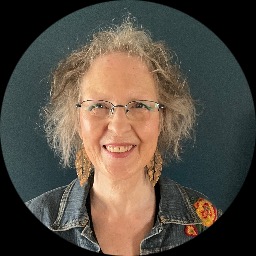
About Marguerite
Marguerite Elkins is a licensed Marriage and Family Therapist (LMFT) who helps people facing anxiety, depression, trauma, grief, bipolar disorder, anger, and stress. She also supports those coping with life changes, ADHD, and self-esteem concerns.
Background and approach
Her approach combines practical tools with steady support so people can manage symptoms and move forward. She uses short-term strategies and longer-term work depending on the situation.
Cognitive Behavioral Therapy is often used to shift unhelpful thoughts and behaviors. Dialectical Behavior Therapy offers skills for emotion regulation and distress tolerance.
Eye Movement Desensitization and Reprocessing is part of her work for processing traumatic memories. Mindfulness practices are introduced to improve present-moment focus and reduce reactivity.
Solution-Focused techniques help set clear, achievable goals and track progress. Marguerite draws on 15 years of clinical experience in Tennessee and works from a practical, faith-aware perspective when clients want that included.
She blends structured exercises with listening and problem-solving. Sessions aim to be straightforward and useful.
Clients can expect a collaborative process where goals are revisited as needs change. She offers several remote session formats to fit different schedules.
The emphasis is on tools that can be used between meetings to handle daily challenges and build resilience.
Approaches you can use online
CBT, or Cognitive Behavioral Therapy, focuses on identifying and changing unhelpful thoughts and behaviors. It is often useful for anxiety, depression, panic, and mood regulation by giving clear tools to practice between sessions.EMDR, Eye Movement Desensitization and Reprocessing, is a method used to help process traumatic memories and reduce their emotional impact. It involves guided processing and can be adapted for video sessions when appropriate.
Finding the right approach is part of the work. The therapist will discuss goals, symptoms, and personal preferences to decide which methods to try first. That decision is collaborative and can change as progress is made.
Online therapy offers flexibility for different needs. Video calls let people use visual cues and mirror a traditional session. Phone sessions can fit into a short break or be used when bandwidth is limited. Live chat and text-based messaging give options for brief check-ins, homework feedback, or ongoing support between scheduled meetings.
Frequently asked questions
What concerns does she help with?
How would you describe her therapeutic style?
What background does she bring to therapy?
Where is she licensed and located?
Which languages are supported for sessions?
What session formats are available?
How does cost and billing work?
How do I begin working with her?
Specialties and expertise
Top specialties
Also works with
- Abandonment
- ADHD
- Anger management
- Attachment issues
- Bipolar disorder
- Body image
- Chronic pain, illness, and disability
- Coping with life changes
- Coping with natural or human-caused disaster
- Depression
- Domestic violence
- Family of origin issues
- First responder issues
- Forgiveness
- Guilt and shame
- Mood disorders
- Panic disorder and panic attacks
- Post-traumatic stress
- Self esteem
- Sexual assault and abuse
- Social anxiety and phobia
- Veteran and Armed Forces Issues
- Women's issues
Therapeutic approaches
- Experience
- 15 years
- Licensed
- Tennessee
- Languages
- English