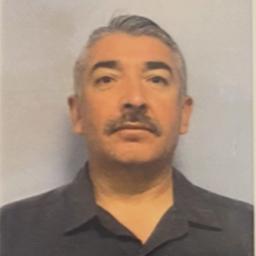
About Marco
Marco Guillen is a licensed marriage and family therapist practicing in California. He has two decades of experience helping people who struggle with addictions and life stressors.
Background and approach
Marco speaks English and Spanish and aims to make the first steps toward change feel manageable. Marco began his work supporting people with addiction and behavioral concerns and has practiced in clinics, hospitals, and schools.
He focuses on problems like substance and process addictions, anger, and low self-esteem. He also helps people who wrestle with relationships, family conflict, communication breakdowns, and workplace strain.
In sessions Marco uses clear, practical tools. He draws on cognitive behavioral ideas to spot unhelpful thinking and behaviors.
He uses motivational interviewing to help people find their own reasons to change and to build momentum. Marco also applies dialectical behavior techniques and mindfulness to teach skills for managing strong emotions and impulsive reactions.
Sessions are shaped around what each person needs; he adjusts pace and focus as progress unfolds. Clients can expect straightforward conversation, direct feedback, and specific coping skills to practice between sessions.
Marco describes therapy as a partnership where effort from both sides matters. He supports people through setbacks and helps them celebrate small gains along the way.
Approaches that fit online care
Client-centered work focuses on what matters to the person in front of the therapist. It lets sessions follow the client's priorities and moves at a comfortable pace to address relationships, addiction, or life purpose. Cognitive Behavioral Therapy, or CBT, breaks problems into thoughts, behaviors, and feelings and teaches straightforward strategies to change patterns that keep problems going. Dialectical Behavior Therapy, often called DBT, teaches practical skills for handling strong emotions, reducing impulsive actions, and improving interpersonal effectiveness.Choosing the right approach is part of the process. The therapist will collaborate with each person to decide which methods match their goals, needs, and preferences. That shared process means techniques can shift as progress is made or new challenges appear.
Online sessions are offered by video call, phone, live chat, or text-based messaging to give flexibility. Video is useful when visual cues matter, phone calls work well when bandwidth is limited, and chat or messaging can be used for short check-ins or ongoing support between sessions. These options help people fit therapy into busy days and keep work consistent when schedules change.
Frequently asked questions
What kinds of problems does he help with?
What is his therapeutic style like?
How long has he been practicing?
What credentials and location are listed?
Which languages are supported for sessions?
What session formats are available?
How does cost and payment work?
How do I begin working with him?
Specialties and expertise
Top specialties
- Addictions
- Relationship issues
- Family conflicts
Also works with
- Anger management
- Communication problems
- Control issues
- Drug and alcohol addiction
- Family problems
- Forgiveness
- Impulsivity
- Isolation / loneliness
- Life purpose
- Men's issues
- Midlife crisis
- Mood disorders
- Panic disorder and panic attacks
- Process addiction (porn, exercise, gambling)
- Self esteem
- Smoking / vaping cessation
- Workplace issues
Therapeutic approaches
- Experience
- 20 years
- Licensed
- California
- Languages
- English, Spanish