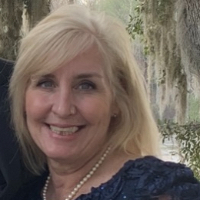
About Lori
Dr. Lori Malkasian brings two decades of clinical work to her practice in South Carolina.
Background and approach
She holds a Doctor of Psychology in counseling and practices as an LMFT. Lori writes and talks plainly with parents and adults who feel overwhelmed by lifes changes or by a loved ones struggles.
She focuses on common concerns like anxiety, depression, stress, anger, and coping after loss. She also supports people dealing with addiction, attention challenges, bipolar issues, and compassion fatigue.
LGBT concerns, family problems, and relationship difficulties are also part of her day-to-day work. Lori uses several practical approaches in sessions.
She uses Client-Centered strategies to build trust and help people name what matters most. Cognitive Behavioral Therapy helps unpack thinking patterns that increase anxiety or low mood.
Emotionally-Focused ideas support stronger connection to feelings and to others. She also draws on mindfulness and narrative methods to help people notice the present moment and reframe troubling stories about themselves.
Sessions aim to teach skills that can be used between appointments. Lori favors short, clear steps that fit busy family life.
Parents find her approach straightforward and down-to-earth. She explains options and helps families set realistic goals.
The tone in her work is calm, practical, and focused on small changes that add up over time.
Therapeutic approaches and online care
Dr. Malkasian often uses Client-Centered Therapy to create an accepting space where people can say what matters most to them. This approach focuses on listening and understanding so you can decide the next steps in your own life.She also uses Cognitive Behavioral Therapy to identify patterns of thought and behavior that fuel anxiety or low mood. CBT offers practical skills and small experiments you can try between sessions to see what helps. Emotionally-Focused ideas are used when stronger awareness of feelings can improve how someone connects with others or manages intense emotions.
Choosing the right approach is collaborative. The therapist will ask about your goals, preferences, and what has or hasnt helped in the past. From there she recommends a path and adjusts it as you learn what fits best together.
Online sessions are offered by video call, phone, live chat, or text-based messaging to match different needs. Video works well for in-depth conversation and reading nonverbal cues. Phone can be easier when bandwidth is limited or for a shorter check-in. Live chat and text messaging allow for brief check-ins, journaling-style support, and flexible scheduling. These options make it easier to fit therapy into school, work, or family life.
Frequently asked questions
What concerns does Lori address?
What is her therapeutic style like?
How much experience does she have?
Where is she licensed and based?
Which languages and international options are available?
What session formats are offered?
How are sessions paid for?
How do I begin working with her?
Specialties and expertise
Top specialties
- Stress, Anxiety
- Parenting issues
- Depression
Also works with
- Addictions
- ADHD
- Adoption and foster care
- Anger management
- Autism and Asperger Syndrome
- Bipolar disorder
- Blended family issues
- Career difficulties
- Coaching
- Communication problems
- Compassion fatigue
- Coping with life changes
- Coping with natural or human-caused disaster
- Dissociation
- Divorce and separation
- Family conflicts
- Family of origin issues
- Family problems
- Forgiveness
- Grief
- Isolation / loneliness
- Jealousy
- LGBT
- Midlife crisis
- Money and financial issues
- Mood disorders
- Panic disorder and panic attacks
- Post-traumatic stress
- Postpartum depression
- Pregnancy and childbirth
- Relationship issues
- Self esteem
- Social anxiety and phobia
- Trauma and abuse
- Veteran and Armed Forces Issues
- Women's issues
- Workplace issues
- Young adult issues
Therapeutic approaches
- Experience
- 20 years
- Licensed
- South Carolina
- Languages
- English