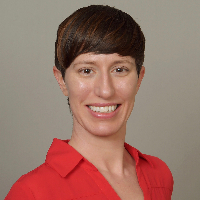
About Leah
Leah Finn is a licensed marriage and family therapist practicing in California. She brings eight years of experience helping people navigate stress, anxiety, grief, depression, and relationship and intimacy concerns.
Background and approach
Leah takes a warm, interactive, and nonjudgmental approach in sessions. Her work emphasizes practical steps.
She listens to what matters most and helps people build skills for managing emotions, sleep disruption, and addictive patterns. She also addresses issues linked to identity and sexual expression, including kink and alternative sex culture concerns.
Leah blends several ways of working to match each person’s needs. She draws on attachment-focused thinking to look at how early bonds shape current patterns.
She uses cognitive-behavioral strategies to change unhelpful thoughts and behaviors. She also employs client-centered ideas to keep the conversation grounded in each person’s values and goals.
Her background includes community organizing and anti-oppression practice, which informs how she talks about race, class, gender, sexuality, and ability in sessions. Leah aims to create a respectful, compassionate space for people to name what’s hard and try new ways of coping.
Leah earned a Master of Arts in Counseling Psychology and practices under California law as an LMFT. She offers sessions by video, phone, live chat, or text messaging and tailors the plan to what fits each person’s life and schedule.
Approach and online care that meet you where you are
Leah often uses attachment-based work to look at how early relationships influence current feelings and behavior. This approach helps people who notice repeating patterns in closeness, trust, or abandonment. She also uses cognitive behavioral therapy, which focuses on identifying and changing thoughts and behaviors that keep problems like anxiety and depression going.Choosing how to work together is collaborative. Leah will talk through goals, preferences, and what has or hasn’t helped before. Together the two of you will decide which approaches to try and adjust them as progress is made.
Online sessions are offered by video calls, phone, live chat, or text-based messaging to fit different needs. Video sessions allow face-to-face conversation for deeper discussion. Phone sessions can be a faster check-in or work better when bandwidth is limited. Live chat and text messaging offer brief support and flexibility for people with unpredictable schedules. These options make it easier to keep therapy consistent and fit it into a busy life.
Frequently asked questions
What kinds of concerns does Leah address?
How would you describe her therapy style?
What is her professional background?
Where is she licensed and based?
Which languages are sessions offered in?
What session formats are available?
How does payment and cost work?
How do I begin working with Leah?
Specialties and expertise
Top specialties
Also works with
- Abandonment
- Addictions
- ADHD
- Anger management
- Attachment issues
- BDSM, kink, and alternative sex culture
- Body image
- Caregiver issues and stress
- Chronic pain, illness, and disability
- Codependency
- Commitment issues
- Communication problems
- Compassion fatigue
- Coping with life changes
- Coping with natural or human-caused disaster
- Dependent personality
- Depression
- Dissociation
- Emptiness
- Family conflicts
- Family of origin issues
- Family problems
- Fertility issues
- First responder issues
- Forgiveness
- Gender dysphoria
- Guilt and shame
- HIV / AIDS
- Impulsivity
- Infidelity
- Intimacy-related issues
- Isolation / loneliness
- Jealousy
- Life purpose
- Mood disorders
- Multicultural concerns
- Narcissism
- Panic disorder and panic attacks
- Polyamory / non-monogamous relationships
- Post-traumatic stress
- Pregnancy and childbirth
- Prejudice and discrimination
- Relationship issues
- Self esteem
- Self-harm
- Self-love
- Sexual assault and abuse
- Sexual dysfunction
- Sexuality
- Sleeping disorders
- Smoking / vaping cessation
- Social anxiety and phobia
- Trauma and abuse
- Women's issues
- Workplace issues
Therapeutic approaches
- Experience
- 8 years
- Licensed
- California
- Languages
- English