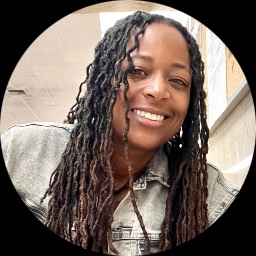
About Lacresha
Lacresha "Cresha" Collins helps with stress, anxiety, relationship strains, trauma and abuse, anger, and LGBTQ concerns. She is a Licensed Marriage and Family Therapist in California with five years of clinical practice.
Background and approach
Cresha aims to make therapy straightforward and accessible for people feeling stuck or overwhelmed. Her sessions are warm and direct.
Cresha uses plain language and practical tools so clients can try things between visits. She avoids stigmatizing labels and focuses on each person’s story and goals.
Sessions invite honest conversation and actionable steps for change. Cresha draws on several evidence-based techniques to shape her work.
She combines ideas from cognitive-behavioral and humanistic approaches with psychodynamic and rational-emotive concepts when they fit a person’s needs. Treatment plans are adapted to what a client brings to the room rather than a single method applied to everyone.
She also pays attention to issues like attachment, body image, caregiver stress, communication problems, control struggles, and guilt or shame. Cresha aims to help people rebuild trust with themselves, set boundaries, and improve how they relate to others.
Her practice supports people working through panic, mood disorders, post-traumatic stress, isolation, and questions about life purpose and self-love. Cresha blends practical skill-building with space to process difficult feelings.
She encourages small experiments in daily life to build momentum toward longer term change.
Evidence-based approaches for online care
Many of Cresha’s methods come from evidence-based techniques that focus on thoughts, feelings, and behavior. Cognitive-behavioral ideas help people identify unhelpful thinking patterns and practice new behaviors to reduce anxiety, panic, and mood symptoms. Humanistic approaches center the person’s experience and values, supporting self-acceptance and clearer life direction.She also draws on psychodynamic and rational-emotive ideas when helpful, which can shed light on repeated relationship patterns or long-held beliefs that fuel shame or anger. These approaches are explained in simple terms during sessions so clients can see how they connect to daily challenges.
Finding the right approach is part of the work together. The therapist and client decide collaboratively which techniques to try based on needs, goals, and comfort level. Plans are adjusted over time, and small experiments are used to test what helps most.
Online formats offer several practical benefits. Video calls allow face-to-face interaction similar to in-person sessions. Phone sessions can be easier when bandwidth is limited or a shorter check-in is needed. Live chat and text-based messaging give flexibility for people who prefer writing or need to fit counseling into a busy schedule. These options make it easier to keep steady work toward goals from different locations and routines.
Frequently asked questions
What kinds of concerns does she support?
How would you describe her therapy style?
What is her clinical background?
Where is she licensed and based?
Which languages are supported for sessions?
What session formats are available?
How is pricing handled?
How do I begin working with her?
Specialties and expertise
Top specialties
- Stress, Anxiety
- LGBT
- Relationship issues
Also works with
- Anger management
- Attachment issues
- Body image
- Caregiver issues and stress
- Communication problems
- Control issues
- Divorce and separation
- Forgiveness
- Guilt and shame
- Isolation / loneliness
- Life purpose
- Mood disorders
- Panic disorder and panic attacks
- Post-traumatic stress
- Self-love
- Social anxiety and phobia
- Trauma and abuse
- Experience
- 5 years
- Licensed
- California
- Languages
- English