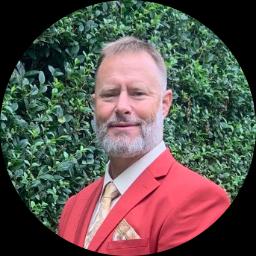
About Kevin
Rev. Kevin Mucher helps people facing stress, anxiety, relationship strain, grief, and major life changes.
Background and approach
He focuses on practical steps for coping, improving communication, and finding direction. Kevin is a licensed marriage and family therapist in Texas with six years of professional experience and a long background in military chaplaincy.
He encourages honest conversation and clear goals in sessions. He draws on approaches that address attachment, emotions, and everyday thinking patterns to help people make steady progress.
Sessions often include skill building for communication and managing intense feelings. Kevin spent more than three decades in the U.S.
Army as a Ranger Chaplain. That work included counseling, teaching, and coaching across conventional and special operations units.
He has experience supporting thousands of service members and faith leaders through training and pastoral care. In therapy he uses straightforward language and practical tools.
He aims to help people gain confidence, notice patterns that hold them back, and try new ways of relating. People leave with clear next steps to practice between sessions.
Kevin lists strengths in areas such as parenting challenges, compassion fatigue, career questions, attachment and abandonment issues, and healing from trauma or abuse. He offers talk-based work alongside techniques from cognitive behavioral and emotionally focused approaches to help people move toward better balance and purpose.
Approaches that guide online sessions
Attachment-Based Therapy looks at how early and current relationships shape feelings and expectations. It helps people notice patterns in closeness and trust and try different ways of relating to reduce fear and isolation. Cognitive Behavioral Therapy, or CBT, focuses on the links between thoughts, feelings, and actions. It offers concrete exercises to change unhelpful thinking and build new behaviors for anxiety, low mood, or anger. Emotionally-Focused Therapy centers on emotions in close relationships and helps people name and respond to emotions in clearer ways to improve connection and reduce conflict.Finding the right approach is part of the work. The therapist will collaborate with each person to choose methods that match their goals and preferences. That means discussing how attachment, emotion work, or CBT techniques might fit the issue at hand and adjusting as progress is made.
Online sessions are offered through video calls, phone sessions, live chat, and text-based messaging to make therapy flexible. Video is useful for in-depth conversation and exercises. Phone sessions can work well when bandwidth is limited or a shorter check-in is needed. Chat or messaging is helpful for brief reflections, coach-style support between sessions, or when writing feels easier. These options help people fit therapy into busy schedules and different life circumstances.
Frequently asked questions
What kinds of concerns does he help with?
What is his therapeutic style like?
What background does he bring to therapy?
What credentials and location are listed?
Which languages are sessions offered in?
What session formats are available?
How are sessions paid for and what is the cost structure?
How do I begin working with him?
Specialties and expertise
Top specialties
- Stress, Anxiety
- Relationship issues
- Self esteem
Also works with
- Abandonment
- Anger management
- Attachment issues
- Blended family issues
- Career difficulties
- Coaching
- Commitment issues
- Communication problems
- Compassion fatigue
- Control issues
- Coping with life changes
- Emptiness
- Family conflicts
- Family problems
- Fatherhood issues
- First responder issues
- Forgiveness
- Grief
- Guilt and shame
- Infidelity
- Isolation / loneliness
- Life purpose
- Men's issues
- Money and financial issues
- Parenting issues
- Post-traumatic stress
- Process addiction (porn, exercise, gambling)
- Self-harm
- Trauma and abuse
- Traumatic brain injury
- Veteran and Armed Forces Issues
- Workplace issues
Therapeutic approaches
- Experience
- 6 years
- Licensed
- Texas
- Languages
- English