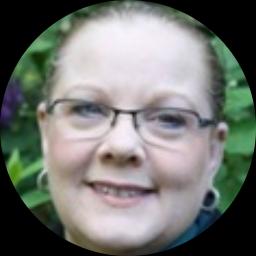
About Kathleen
Dr. Kathleen Hathaway helps people manage stress, anxiety, relationship strain, self-esteem concerns, and career questions.
Background and approach
She also offers coaching for life direction and midlife transitions. She writes in a straightforward way and focuses on practical steps people can use right away.
She draws on 25 years of clinical experience as a Licensed Marriage and Family Therapist (LMFT) practicing in Washington. Sessions are conversational and goal-focused.
People can expect a calm presence and clear suggestions rather than long lectures. Her work blends talk therapy with tools from cognitive behavioral approaches and client-centered methods.
She also uses elements of the Gottman Method for relationship issues and internal family systems ideas when helpful. Those methods are used to spot patterns, shift thinking, and repair communication.
Typical concerns she addresses include abandonment, caregiver stress, chronic pain or illness, communication problems, and life purpose. She also supports people dealing with divorce and separation, grief, guilt, and isolation.
First responder and veteran issues are listed among areas of focus. Sessions aim to build coping skills, improve communication, and clarify next steps in life or work.
The style is practical and supportive, with an emphasis on real-world solutions people can try between sessions. People who prefer a collaborative, steady approach may find her style helpful.
Therapeutic approaches and online sessions that fit your life
Client-Centered Therapy focuses on listening deeply and following the client's lead to build understanding and self-direction. It helps when someone needs a nonjudgmental space to sort feelings and make personal choices.Cognitive Behavioral Therapy (CBT) looks at how thoughts and behaviors affect mood and action. It provides practical skills to change unhelpful thinking and reduce anxiety or low mood through concrete exercises and homework.
The Gottman Method offers structured tools for improving communication and managing conflict in close relationships. It provides specific skills for couples working on trust, repair, and everyday interaction patterns.
Deciding which approach to use is a collaborative process. The therapist will work with each person to match methods to their goals, needs, and preferences. That way the plan can change over time as progress is made.
Online sessions are offered by video calls, phone sessions, live chat, and text-based messaging to make therapy flexible. Video calls are useful for face-to-face conversation, phone sessions work well when bandwidth is limited, live chat supports shorter check-ins, and messaging lets people send updates between sessions. These options make it easier to fit therapy into busy schedules and varied routines.
Frequently asked questions
What concerns does this therapist address?
What is the therapeutic style like?
How much clinical experience does she have?
What credentials and location are listed?
Which languages are supported and are international clients accepted?
What session formats are available?
How is cost handled for sessions?
What steps are required to begin?
Specialties and expertise
Top specialties
- Stress, Anxiety
- Relationship issues
- Self esteem
Also works with
- Abandonment
- Career difficulties
- Caregiver issues and stress
- Chronic pain, illness, and disability
- Coaching
- Communication problems
- Coping with natural or human-caused disaster
- Divorce and separation
- Family of origin issues
- First responder issues
- Forgiveness
- Guilt and shame
- Isolation / loneliness
- Life purpose
- Midlife crisis
- Mood disorders
- Panic disorder and panic attacks
- Post-traumatic stress
- Self-love
- Social anxiety and phobia
- Veteran and Armed Forces Issues
- Women's issues
- Workplace issues
- Young adult issues
Therapeutic approaches
- Experience
- 25 years
- Licensed
- Washington
- Languages
- English