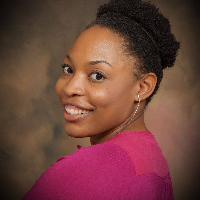
Dr. Janeisha Anderson-LaBranch, LMFT
Practical therapy for stress and relationship strain
About Janeisha
Dr. Janeisha Anderson-LaBranch offers calm, practical help for people feeling overwhelmed by stress, anxiety, relationship strain, or major life changes.
Background and approach
She is a licensed marriage and family therapist - LMFT - practicing in Texas and brings 15 years of clinical experience to each session. She focuses on helping people build self-esteem, improve communication, and find clearer ways to cope with hard events.
Sessions are straightforward and aimed at small, useful changes that make daily life easier. The work often involves talking through difficult feelings and trying new approaches between meetings.
Her methods draw from client-centered work, cognitive behavioral ideas, emotionally focused techniques, and structured approaches for relationship work. That mix is used to address issues like attachment wounds, abandonment fears, body image concerns, and the stress caregivers carry.
She also helps with forgiveness, guilt, and decision points such as separation or divorce. Dr.
Anderson-LaBranch describes therapy as a collaborative process. She listens for what matters most to each person and adapts the plan as goals evolve.
Many clients leave sessions with practical tools they can use right away. Her practice is in Texas and sessions are offered in English.
People who want to begin can expect a direct, respectful approach that balances emotional support with clear strategies for change.
Therapeutic approaches that fit online care
Client-Centered Therapy centers on listening and responding to each person's experience. It helps people feel heard and guides work on goals they name for themselves. Cognitive Behavioral Therapy, or CBT, focuses on practical steps to change unhelpful thoughts and behaviors and is often used for anxiety, stress, and low self-esteem. Emotionally-Focused Therapy helps people understand and shift emotional patterns that affect close relationships and can be useful when communication and connection feel strained.Finding the right approach is a collaborative process. The therapist will talk with the client about goals, preferences, and what has helped or not helped in the past. Together they shape a plan that may blend methods so sessions match evolving needs and reachable goals.
Online work offers practical flexibility. Video calls let people use body language and deeper conversation. Phone sessions can be easier when bandwidth is limited or a shorter check-in is needed. Live chat and text messaging support quick updates, brief coaching between sessions, or ongoing reflections. These options make it easier to fit therapy into a busy life while still using the chosen therapeutic methods.
Frequently asked questions
What concerns does this therapist address?
What is the therapist's general approach in sessions?
How much clinical experience does she have?
What credential and location information is on file?
Which languages are sessions offered in?
What session formats are available?
How is pricing handled?
How do I begin working with this therapist?
Specialties and expertise
Top specialties
- Stress, Anxiety
- Relationship issues
- Family conflicts
Also works with
- Abandonment
- Attachment issues
- Avoidant personality
- Body image
- Caregiver issues and stress
- Commitment issues
- Communication problems
- Control issues
- Coping with life changes
- Divorce and separation
- Emptiness
- Family of origin issues
- Family problems
- Fatherhood issues
- Forgiveness
- Guilt and shame
- Infidelity
- Isolation / loneliness
- LGBT
- Life purpose
- Men's issues
- Money and financial issues
- Multicultural concerns
- Panic disorder and panic attacks
- Post-traumatic stress
- Pregnancy and childbirth
- Prejudice and discrimination
- Self esteem
- Self-love
- Social anxiety and phobia
- Women's issues
- Workplace issues
- Young adult issues
Therapeutic approaches
- Experience
- 15 years
- Licensed
- Texas, Pennsylvania, Hawaii, Florida, District of Columbia, Virginia
- Languages
- English