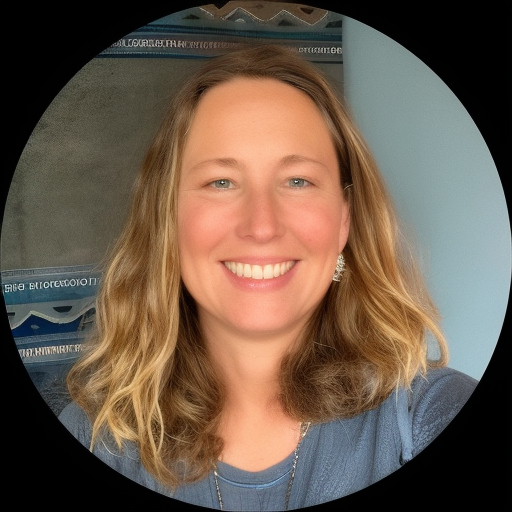
About Heather
Heather Neilson helps people manage stress, anxiety, depression, low self-esteem, and big life changes. She writes plainly and listens carefully to what matters most to each person.
Background and approach
Heather brings calm and steady support when emotions feel overwhelming. She uses attachment-focused work to look at how early relationships shape current patterns.
She also draws on somatic methods that notice how the body holds emotion. Sessions often blend talking with gentle attention to physical sensations and relational patterns.
Heather has worked in mental health since 2000 and has been a licensed marriage and family therapist in California and Utah. That long experience gives her a wide view of how problems can shift over time and what practical steps often help.
In sessions she emphasizes simple, doable steps you can try between meetings. She helps people notice small patterns, test new ways of communicating, and practice new habits that reduce overwhelm.
The pace adapts to each person's needs and comfort level. Many people come to her wanting clearer boundaries, less shame, or better connection with themselves and others.
Heather supports clients in building resilience and finding a clearer sense of purpose. Her approach is warm, straightforward, and focused on what will make daily life easier.
How attachment and somatic work translate to online therapy
Heather uses attachment-based ideas to look at how patterns in relationships affect current feelings and reactions; this approach helps when trust, communication, or closeness are causing distress. She also incorporates somatic therapy, which pays attention to bodily sensations and movement as part of understanding emotion and reducing tension.Finding the right approach is part of the work. Heather will collaborate with each person to decide which combination of methods fits best based on goals and comfort. The plan can shift as needs change so the client helps guide what feels most useful.
Online sessions are offered by video calls, phone sessions, live chat, or text-based messaging to increase flexibility. Video calls allow face-to-face conversation and visual cues, phone sessions can be a simple option when bandwidth is limited, live chat can be used for shorter check-ins, and text messaging supports ongoing reflection between sessions. These options make it easier to fit therapy into a busy life and try different formats to see what works best.
Frequently asked questions
What concerns does this therapist help with?
What is her therapeutic style like?
How much experience does she have?
What credentials and location are listed?
Which languages are supported and can international clients join?
What session formats are offered?
How is cost handled?
How do I begin working with her?
Specialties and expertise
Top specialties
- Stress, Anxiety
- Relationship issues
- Self esteem
Also works with
Therapeutic approaches
- Experience
- 25 years
- Licensed
- California, Utah
- Languages
- English