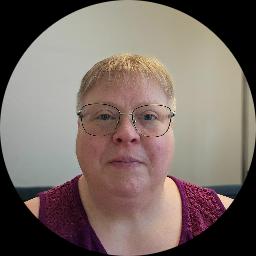
About Gracie
Gracie Bishop is a licensed marriage and family therapist practicing in California. They bring ten years of clinical experience to conversations about stress, anxiety, addiction concerns, career strain, and LGBT-related issues.
Background and approach
Gracie works with each person to create a clear plan that fits their life and goals. Their approach is respectful and direct, aimed at helping people make steady changes.
Gracie spends sessions listening for patterns that get in the way of daily functioning. They use psychodynamic ideas to help people notice repeated feelings, relationships, and habits that hold them back.
That understanding is then used to choose practical steps a person can try between sessions. Sessions are tailored to what a person needs in that moment.
Gracie focuses on problems like body image struggles, caregiver stress, end-of-life concerns, and workplace conflicts. They also support people working through questions of life purpose or midlife transitions.
Gracie places importance on straightforward conversation and emotional safety. Expect clear goals, regular check-ins on progress, and adjustments when something isn’t working.
The therapist aims to support people as they build healthier routines and more satisfying relationships. People who prefer thoughtful exploration of past patterns alongside practical changes tend to fit well with Gracie’s style.
Conversations move at a steady pace, with a mix of listening, reflection, and action steps people can try between appointments.
Psychodynamic work adapted for online care
Psychodynamic therapy helps people notice repeating feelings and relationship patterns that affect daily life. In practice this means talking through how past experiences show up now, naming emotional habits, and using that awareness to make different choices. This approach can be useful for stress, anxiety, workplace struggle, identity questions, and issues like body image.The therapist treats finding the right approach as a collaborative process. They will ask about a person's goals, preferences, and what has or hasn’t helped before. Together they decide if psychodynamic exploration, practical problem-solving, or a mix of both is the best next step.
Online sessions are offered by video calls, phone sessions, live chat, or text-based messaging to provide flexible options. Video is often used for deeper conversations when facial cues help, while phone calls can work when bandwidth is limited or a quieter voice check-in is needed. Live chat and text messaging are convenient for shorter check-ins, quick coping plans, or when writing out thoughts feels easier. These options make it simpler to fit therapy into a busy week and maintain steady momentum between sessions.
Frequently asked questions
What kinds of concerns does this therapist address?
How would you describe the therapy style and approach?
What is their professional background?
Where is the therapist licensed and located?
Which languages are supported for sessions?
What session formats are available?
How does payment and cost work?
How do I begin working with this therapist?
Specialties and expertise
Top specialties
Also works with
Therapeutic approaches
- Experience
- 10 years
- Licensed
- California
- Languages
- English