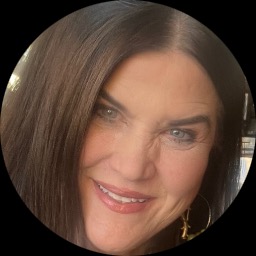
Gloria Frush, LMFT
Compassionate strengths-focused therapy for mood and life change
About Gloria
Gloria Frush brings a practical, strengths-focused approach to therapy. She is a Licensed Marriage and Family Therapist (LMFT) practicing in California and draws on more than two decades of experience to help people manage mood struggles and life changes.
Background and approach
Sessions are grounded in everyday language and clear steps rather than clinical jargon. Her work centers on building from what already works in a person's life.
That means identifying current strengths and using them to tackle addictions, low self-esteem, bipolar symptoms, and depression. The goal is to create steady, manageable change rather than overnight fixes.
Gloria emphasizes the principles of wellness and recovery. She helps people set realistic goals and design routines that support mental health over time.
Conversations focus on practical coping habits, motivation, and increasing confidence in daily life. People can bring practical concerns like money stress, workplace issues, body image, or loneliness.
Gloria offers straightforward guidance on handling caregiver strain, forgiveness work, and finding life purpose amid transitions. She also addresses social anxiety and other mood-related problems.
Her style is warm and nonjudgmental. Sessions are collaborative - the therapist and client identify next steps together.
Gloria aims to make the therapy process understandable and doable for people juggling busy lives.
Approaches that guide online sessions
Gloria uses evidence-based techniques that focus on strengths and steady recovery. Strengths-based work looks for skills and resources a person already uses and builds on them to tackle problems like low self-esteem, addictive behaviors, and motivation gaps. Wellness and recovery principles break larger goals into small, practical steps to support mood stability and daily functioning.Finding the right approach is part of the work. Gloria partners with each person to identify which techniques fit their goals, preferences, and situation. She adjusts methods over time, trying different strategies and watching what helps most so the plan remains useful and realistic.
Online formats include video calls, phone sessions, live chat, and text-based messaging. Video calls allow face-to-face conversation and visual cues. Phone sessions can be easier when video is not possible or bandwidth is limited. Live chat and text messaging offer brief check-ins and flexible, ongoing contact between longer sessions. These options make it easier to fit therapy into busy schedules and to keep momentum between meetings.
Frequently asked questions
What concerns does she address?
What is her therapeutic style like?
How much experience does she have?
Where is she licensed and located?
Which languages are supported?
What session formats are available?
How are costs handled?
How do I begin working with her?
Specialties and expertise
Top specialties
- Addictions
- Self esteem
- Bipolar disorder
Also works with
- Experience
- 26 years
- Licensed
- California
- Languages
- English