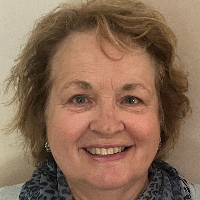
About Deborah
Deborah Hill is a licensed Marriage and Family Therapist (LMFT) with three decades of experience. She has spent her career in many settings, including community mental health, inpatient alcohol and drug treatment, a sexual assault crisis center, and a long-standing independent practice in Tennessee.
Background and approach
Deborah focuses on practical help for life changes and emotional pain. She helps people facing relationship strain, parenting challenges, stress, anxiety, depression, grief, anger, trauma and abuse, and addiction.
She also addresses codependency, communication problems, divorce and separation, infidelity, and issues related to HIV/AIDS and military service. Her work reaches people coping with isolation, low self-esteem, and major life transitions.
Deborah describes therapy as an interactive process. She starts by asking what a person wants to get from therapy and shapes sessions around those goals.
Sessions are adaptable - a recent widow will have different needs than someone working on sobriety - and she encourages using community resources when helpful. Her methods draw on client-centered work, cognitive behavioral ideas, the Gottman Method for relationship concerns, motivational interviewing for change, and solution-focused steps to move forward.
She aims to help people build practical skills to handle the problems that brought them in. Deborah emphasizes the relationship between therapist and client as the key to progress.
She approaches each session with respect and care, knowing it takes courage to ask for help and to share painful experiences.
Therapeutic approaches and online care
Deborah uses client-centered therapy, which focuses on listening and understanding a person's experience and building a trusting relationship that guides progress. This approach helps people feel heard while they set personal goals and decide what change looks like for them.She also incorporates cognitive behavioral therapy, a practical method that looks at how thoughts, feelings, and behaviors interact. CBT can help with anxiety, depression, stress, and patterns like negative thinking by teaching concrete skills to change unhelpful habits.
Finding the right approach is usually a collaborative process. Deborah will talk with each person about their goals, try methods that match those goals, and adjust the plan as needed. She aims to involve the client in choosing strategies and measuring progress together.
Online sessions are offered by video calls, phone, live chat, or text-based messaging to make therapy more flexible. Video works well for in-depth conversations and visual cues, phone calls can be simpler when bandwidth is limited, live chat suits quick check-ins, and messaging is useful for brief updates or ongoing support between appointments. These options allow scheduling around work, caregiving, or other commitments while keeping therapy practical and accessible.
Frequently asked questions
What concerns does Deborah commonly address?
What is her therapy style like?
How much experience does she have?
What credential does she hold and where is she located?
Which languages are supported for sessions?
What session formats are available?
How are costs handled for therapy?
How do I begin working with Deborah?
Specialties and expertise
Top specialties
- Relationship issues
- Family conflicts
- Parenting issues
Also works with
- Addictions
- Anger management
- Codependency
- Communication problems
- Coping with life changes
- Depression
- Divorce and separation
- Drug and alcohol addiction
- Family problems
- Forgiveness
- Grief
- HIV / AIDS
- Infidelity
- Isolation / loneliness
- Self esteem
- Sexual assault and abuse
- Stress, Anxiety
- Trauma and abuse
- Veteran and Armed Forces Issues
- Women's issues
Therapeutic approaches
- Experience
- 30 years
- Licensed
- Tennessee
- Languages
- English