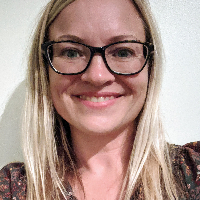
About Tiffany
Tiffany “Christy” Bond is a licensed marriage and family therapist with 18 years of experience based in North Carolina. She has worked across settings such as outpatient mental health, family medicine residencies, military installations, and inpatient behavioral health units.
Background and approach
Christy offers practical, person-focused support for people facing anxiety, depression, relationship strain, career challenges, and life transitions. Her style is warm, empathic, and nonjudgmental.
She avoids stigmatizing labels and aims to treat people with respect and sensitivity. Sessions emphasize collaboration and clear goals rather than jargon.
Christy blends narrative ideas with solution-focused techniques and motivational interviewing. She also uses mindfulness to help clients manage stress and stay present during change.
These tools are applied in ways that fit each person’s situation and goals. Therapy may include talking through difficult emotions, practicing brief exercises, and setting small, realistic steps toward bigger changes.
Christy often helps people improve communication, rebuild self-esteem, and find direction when life feels uncertain. People who prefer a calm, practical approach may find this style helpful.
Christy aims to make progress feel doable by breaking change into manageable pieces. She focuses on supporting and empowering each person throughout the process.
Using collaborative approaches in online therapy
Client-Centered Therapy focuses on the person’s own goals and perspective. The therapist listens closely and reflects what matters most, helping people feel understood and uncover their own answers. The Gottman Method centers on practical communication and conflict tools for improving relationships, helping partners learn clearer ways to talk and reconnect. Mindfulness Therapy teaches simple attention and breathing practices to reduce stress and increase awareness of feelings and reactions.Choosing the right approach is part of the work. The therapist will discuss your goals and preferences and together decide which methods to try first. That collaboration makes it easier to adjust techniques if something isn’t working or if priorities change.
Online therapy formats include video calls, phone sessions, live chat, and text-based messaging. Video sessions let you meet face to face for deeper conversation and skill practice. Phone sessions can fit into a busy day and require less bandwidth. Live chat and text-based messaging are useful for shorter check-ins, coaching-style support, or when written reflection helps. These options aim to make therapy more flexible and easier to fit into everyday life.
Frequently asked questions
What concerns does this therapist help with?
What is the therapist's general approach in sessions?
How much clinical experience does she have?
What are her credentials and where is she based?
Which languages and international options are available?
What session formats are offered for online work?
How are fees and billing handled?
How do I begin working with this therapist?
Specialties and expertise
Top specialties
- Self esteem
- Career difficulties
- Coping with life changes
Also works with
- ADHD
- Aging and geriatric issues
- Anger management
- Blended family issues
- Cancer
- Caregiver issues and stress
- Coaching
- Codependency
- Communication problems
- Compassion fatigue
- Coping with natural or human-caused disaster
- Depression
- Divorce and separation
- Emptiness
- Family conflicts
- Family problems
- First responder issues
- Grief
- HIV / AIDS
- Hospice and end-of-life counseling
- Isolation / loneliness
- Life purpose
- Mood disorders
- Relationship issues
- Seasonal Affective Disorder (SAD)
- Self-love
- Smoking / vaping cessation
- Stress, Anxiety
- Veteran and Armed Forces Issues
- Women's issues
- Workplace issues
- Young adult issues
Therapeutic approaches
- Experience
- 18 years
- Licensed
- North Carolina
- Languages
- English