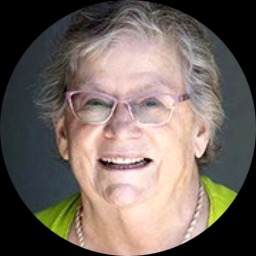
About Catherine
Catherine Waldron helps people who are feeling overwhelmed by stress, anxiety, depression, or major life shifts. She is a licensed marriage and family therapist in California with 25 years of professional experience.
Background and approach
Catherine aims to create a calm, nonjudgmental space where people can talk about what matters to them. Her work focuses on practical support for everyday struggles.
She listens closely and helps clients name what’s happening, find patterns, and try small changes that can make daily life easier. Many clients bring relationship strain, trauma or abuse history, or trouble coping after sudden events; she offers steady guidance through those issues.
Catherine pays attention to communication problems and the ways people get stuck in old patterns. She also supports people dealing with forgiveness, self-love, and women’s issues.
Sessions are conversational and goal-oriented, with time for reflection and concrete steps between meetings. Over her career she has helped people manage reactions after natural or human-caused disasters and rebuild routines after disruption.
Catherine encourages realistic goals and gradual progress rather than quick fixes. She sees the therapy relationship as a partnership where the client’s priorities set the agenda.
People who choose Catherine often want practical help and a compassionate listener. She aims to support each person’s resilience and to reinforce strengths they can use every day.
Therapeutic approaches and online care that fit your life
Many therapists who work with trauma and relationship strain use short-term, evidence-based techniques that focus on symptoms and coping skills. One common approach teaches specific tools to manage anxiety and stress, such as breathing, grounding, and activity scheduling to reduce overwhelm. These techniques help when worry, panic, or sleeplessness are getting in the way of daily life.Another useful approach for relationship and communication problems focuses on identifying unhelpful patterns and practicing clearer ways to speak and listen. This method helps people change how they interact and try new behaviors in everyday situations. A trauma-informed style emphasizes safety and pacing so people can process difficult memories without becoming retraumatized.
Choosing the right approach is a collaborative process. The therapist will talk with the client about goals, preferences, and what has or hasn’t helped before. Together they adjust methods over time so the work stays relevant and practical.
Online therapy with video calls, phone sessions, live chat, or text-based messaging offers flexibility for different schedules and needs. Video works well for deeper conversations and visual cues, phone is low-bandwidth and useful when brief check-ins are needed, chat can suit quick reflections, and text messaging supports ongoing check-ins between sessions. These options make it easier to fit therapy into a busy life while keeping the focus on real, usable change.
Frequently asked questions
What kinds of concerns does she help with?
How would you describe her therapy style?
What is her professional background?
What are her credentials and where does she practice?
Which languages are supported for sessions?
What session formats are available?
How does payment and cost work?
How do I begin working with her?
Specialties and expertise
Top specialties
- Stress, Anxiety
- Relationship issues
- Trauma and abuse
Also works with
- Experience
- 25 years
- Licensed
- California
- Languages
- English