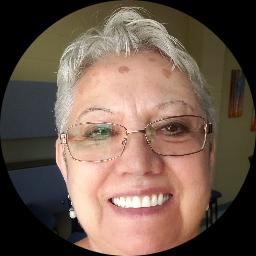
About Veronica
Veronica Briody is a licensed marriage and family therapist practicing in California. She brings eight years of experience helping people who feel overwhelmed by anxiety, depression, grief, or life changes.
Background and approach
Veronica speaks English and Spanish and aims to make therapy feel practical and understandable. She focuses on day-to-day problems like stress, relationship communication, and family conflict.
She also supports people coping with trauma, abandonment, caregiving strain, and immigration-related concerns. Her work addresses both immediate struggles and longer-term patterns that keep problems repeating.
Veronica uses approaches that help people notice what matters and take steps toward it. She blends acceptance and commitment ideas with mindfulness and cognitive tools to change unhelpful thoughts and behaviors.
Attachment-based and client-centered methods shape how she builds trust in sessions. Sessions are conversational and goal-oriented.
She helps people name what feels hard, learn small skills to reduce distress, and try new ways of relating to others. Progress is tracked in simple, practical ways so people know what is changing.
She values cultural awareness and pays attention to how immigration, family history, and identity affect well-being. Veronica offers video calls, phone sessions, live chat, and text-based messaging to fit different schedules and needs.
Getting started involves a short matching questionnaire and scheduling a first session.
Therapeutic approaches and online care
Acceptance and Commitment Therapy helps people notice inner thoughts and feelings without getting stuck in them, then take committed action toward what matters. It is useful for anxiety, depression, and life transitions because it focuses on values and doable steps. Cognitive Behavioral Therapy teaches skills to identify and change unhelpful thoughts and behaviors, which can reduce symptoms of anxiety and depression and improve daily functioning. Attachment-Based Therapy looks at patterns in close relationships and how early bonds shape current struggles; it can help with communication problems, family conflict, and feelings of abandonment.Choosing the right approach is a team effort. Veronica will work collaboratively to learn a person's goals, preferences, and challenges, and then suggest ways of working that fit. That plan can be adjusted over time as needs change so the work stays practical and relevant.
Online therapy offers flexibility for busy schedules. Video calls let people read facial expressions and use visual exercises. Phone sessions need less bandwidth and can be easier to fit into a short break. Live chat and text-based messaging are useful for quick check-ins, ongoing support between sessions, or when someone prefers writing to speaking. These options make it easier to keep therapy consistent around work, caregiving, or other commitments.
Frequently asked questions
What concerns does Veronica help with?
What is her therapeutic style?
How much experience does she have?
What credentials and where is she based?
Which languages are supported?
What session formats are available?
How are costs handled?
How do I begin working together?
Specialties and expertise
Top specialties
- Stress, Anxiety
- Family conflicts
- Trauma and abuse
Also works with
- Abandonment
- Aging and geriatric issues
- Attachment issues
- Body image
- Caregiver issues and stress
- Codependency
- Communication problems
- Coping with natural or human-caused disaster
- Depression
- Divorce and separation
- Domestic violence
- Family of origin issues
- Family problems
- Grief
- Guilt and shame
- Immigration issues
- Isolation / loneliness
- Life purpose
- Multicultural concerns
- Panic disorder and panic attacks
- Post-traumatic stress
- Prejudice and discrimination
- Self-love
- Social anxiety and phobia
Therapeutic approaches
- Experience
- 8 years
- Licensed
- California
- Languages
- English, Spanish