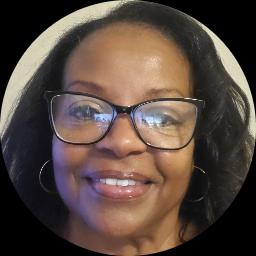
About Tina
Tina Williams is a licensed marriage and family therapist in California who helps people facing trauma, low self-esteem, addiction concerns, and major life changes. She writes in plain terms and focuses on making it easier to talk about painful or confusing experiences.
Background and approach
Tina aims to create a calm, respectful space so people can take the first steps toward feeling better. She uses straightforward, goal-oriented methods to help people identify unhelpful thoughts and build practical coping skills.
Sessions are conversational and focused on small, workable changes a person can try between meetings. Motivational interviewing techniques are used to help people find their own reasons to change and stay engaged with the process.
Tina draws on four years of clinical experience working with adults in a variety of situations. Her background includes supporting people through relationship stress, divorce and separation, addiction and recovery, and issues related to adoption and blended family dynamics.
She also helps clients dealing with self-harm thoughts and rebuilding self-love after difficult experiences. In a typical session Tina listens closely, reflects what she hears, and helps set clear, realistic goals.
She encourages practical steps that can be tried right away and reviewed at the next meeting. This approach is meant to reduce overwhelm and make progress feel achievable.
Sessions are offered in English and can be scheduled to match a client’s needs. Tina emphasizes collaboration and steady progress rather than quick fixes.
Approaches that guide online sessions
CBT, or Cognitive Behavioral Therapy, focuses on identifying and changing thought patterns that contribute to distress. It breaks concerns into manageable steps and offers hands-on tools for anxiety, depression, and low self-esteem.Motivational Interviewing helps people find their own reasons to change. It uses open questions and reflective listening to build motivation and reduce resistance, which can be helpful for addictions and behavior change.
Finding the right approach is part of the work together. The therapist will discuss goals and preferences and adapt methods as needed. This collaborative process helps match techniques to what feels most useful and realistic for each person.
Online sessions are offered by video call, phone, live chat, or text-based messaging to provide flexibility. Video calls allow a fuller conversation with visual cues. Phone sessions can fit a break at work or avoid needing a camera. Live chat or text sessions let people check in or handle short, frequent touchpoints between longer appointments. These options make it easier to keep therapy consistent around busy days and changing schedules.
Frequently asked questions
What concerns does Tina commonly help with?
What is her general therapeutic style?
What kind of professional experience does she have?
What credentials and location are listed?
In which languages are sessions offered?
What session formats are available?
How does pricing work for sessions?
How do I begin working with this therapist?
Specialties and expertise
Top specialties
Also works with
- Addictions
- Adoption and foster care
- Blended family issues
- Codependency
- Depression
- Divorce and separation
- Drug and alcohol addiction
- Infidelity
- Relationship issues
- Self-harm
- Self-love
Therapeutic approaches
- Experience
- 4 years
- Licensed
- California
- Languages
- English