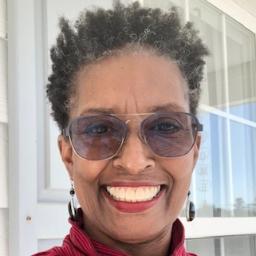
About Sheba
Sheba Shiver is a licensed marriage and family therapist who helps people find their voice and set clearer boundaries. She focuses on practical steps people can use to feel safer speaking up and holding limits in relationships.
Background and approach
Her style is collaborative and straightforward, and she works to build trust from the first session. She begins by paying attention to how someone relates in the therapy room and uses that to shape the work together.
That gives a chance to practice new ways of asking for needs and saying no. She emphasizes learning from each person’s experience rather than offering one-size-fits-all answers.
Her practice addresses common problems such as stress, anxiety, depression, grief, addictions, trauma and abuse, and issues around parenting, anger, self-esteem, career, and life transitions. Conversations focus on real changes people can try between sessions.
She blends talk with hands-on strategies aimed at everyday life. She brings 15 years of experience to sessions and uses a mix of methods to match what a person needs in the moment.
The aim is to help people feel more able to handle conflict, cope with change, and rebuild after setbacks. Work is paced according to each person’s goals.
Sessions are offered from California and conducted in English. People who choose to work together start by describing their current concerns and goals, then set practical steps they can test and adjust as progress is made.
Practical therapy methods for online work
Sheba uses cognitive behavioral techniques to help identify unhelpful thoughts and try different behaviors. CBT is useful when stress, anxiety, or mood get in the way of daily life because it targets what people think and do in specific situations.She also draws on mindfulness approaches that teach simple awareness and grounding skills. Those techniques help with emotional regulation, moments of overwhelm, and with staying present during difficult conversations.
Finding the right approach is part of the work. She will talk with each person about goals and preferences and recommend methods that fit those aims. That decision is made together and can change as progress is made.
Online sessions offer flexibility and many ways to connect. Video calls allow face-to-face conversation and visual cues. Phone sessions can be a good option when bandwidth is limited or when a shorter check-in fits a busy day. Live chat and text-based messaging are useful for ongoing support between longer sessions and for people who prefer written communication.
These formats make it easier to fit therapy into a schedule while using the same therapeutic approaches a person would get in person.
Frequently asked questions
What kinds of concerns does this therapist address?
What is the therapy style like in sessions?
How much clinical experience does she have?
What are her professional credentials and location?
Which languages are sessions offered in?
What session formats are available?
How is cost handled for sessions?
How do I begin working with this therapist?
Specialties and expertise
Top specialties
- Stress, Anxiety
- Relationship issues
- Family conflicts
Also works with
- Addictions
- Anger management
- Career difficulties
- Coping with life changes
- Depression
- Grief
- Parenting issues
- Self esteem
- Trauma and abuse
Therapeutic approaches
- Experience
- 15 years
- Licensed
- California
- Languages
- English