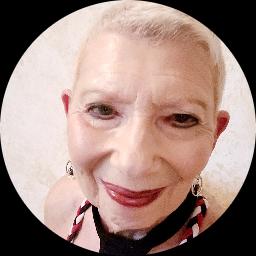
About Sandra
Sandra Lynn-Fulcher is a licensed Marriage and Family Therapist with 40 years of clinical experience based in California. She focuses on helping people manage stress and anxiety, address addictions, and work through relationship and intimacy-related concerns.
Background and approach
Sandra takes a respectful, compassionate approach and adapts sessions to each person’s needs. She keeps things practical and direct in sessions.
Sandra listens to how people see their lives and uses that understanding to shape therapy together. She describes the work as a partnership where courage and small steps lead to change.
Sandra has worked in both inpatient and outpatient settings and in independent practice. She has supported a multicultural clientele and taught counseling to students from varied backgrounds.
That range of experience informs how she responds to different life situations. Her experience includes helping people with substance use concerns, stress management, grief, family transitions, and relationship strain.
She has also supported people through divorce and reconciliation issues and other life changes. Sandra draws on decades of practice to offer practical strategies and steady support.
Her style is person-centered, meaning she starts from each person’s perspective and builds treatment from there. She also uses ideas from cognitive behavioral approaches, attachment work, and emotion-focused methods to help people clarify goals and try new ways of coping.
Therapeutic approaches and online care
Acceptance and Commitment Therapy, or ACT, helps people notice difficult thoughts and feelings without getting stuck in them. It focuses on values and small actions people can take to move toward a more meaningful life, which can help with anxiety and stress.Attachment-Based Therapy looks at how early relationships shape current patterns. It can help people understand relationship and intimacy-related struggles and try new ways of connecting and relating to others.
Finding the right approach is part of the work. The therapist will discuss goals, preferences, and what feels most useful, and then tailor the plan together. That collaborative process helps decide whether ACT, attachment work, or other techniques fit best for a person’s situation.
Online therapy offers different ways to connect. Video calls let you see facial cues and have longer sessions. Phone sessions work well when bandwidth is limited or you prefer not to be on camera. Live chat and text-based messaging are useful for shorter check-ins, quick skill practice, or when you want written reminders of what was discussed.
These options make scheduling more flexible and let people keep therapy going through life’s changes. Licensed professionals can use these formats to guide skills practice, talk through relationship patterns, and support coping with stress and addictions.
Frequently asked questions
What concerns does she help with?
How would you describe her therapy style?
What kind of professional background does she have?
What credential and region are listed?
Which languages are supported?
Can people outside the U.S. work with her?
What session formats are available?
How do costs and subscriptions work?
Specialties and expertise
Top specialties
- Stress, Anxiety
- Addictions
- Relationship issues
Also works with
Therapeutic approaches
- Acceptance and Commitment Therapy (ACT)
- Attachment-Based Therapy
- Client-Centered Therapy
- Cognitive Behavioral Therapy (CBT)
- Dialectical Behavior Therapy (DBT)
- Emotionally-Focused Therapy (EFT)
- Existential Therapy
- Mindfulness Therapy
- Narrative Therapy
- Psychodynamic Therapy
- Solution-Focused Therapy
- Somatic Therapy
- Trauma-Focused Therapy
- Experience
- 40 years
- Licensed
- California
- Languages
- English