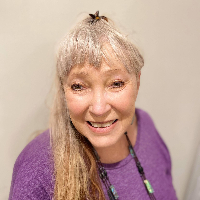
About Rivkah
Rivkah Barmore is a licensed marriage and family therapist practicing in Oregon. She brings 25 years of experience helping people manage stress, anxiety, depression, and addiction concerns.
Background and approach
Rivkah also supports clients dealing with trauma, parenting challenges, relationship and intimacy questions, and life transitions. She favors a practical, down-to-earth style in sessions.
Rivkah listens first, then helps people try small steps that feel doable. Sessions often focus on clear strategies for coping, improving communication, and reconnecting with what matters to each person.
Her work draws on attachment-based ideas and client-centered methods to strengthen relationships and a sense of safety. Cognitive Behavioral Therapy is used to spot and change unhelpful thinking and behavior patterns.
Trauma-focused approaches guide work with painful memories and strong reactions. Rivkah has a broad practice focus that includes issues such as abandonment, adoption and foster care histories, blended family challenges, and codependency.
She also helps with anger, self-esteem, ADHD, compassion fatigue, bipolar concerns, and commitment or control issues. Sessions can be adapted to suit different needs.
She has experience with individual, group, family, and relationship settings, and works with a wide age range. People who want a therapist who mixes practical tools with attention to relationships often seek her out.
How Rivkah’s Approaches Translate to Online Care
Rivkah often uses Attachment-Based Therapy to help people understand how early relationship patterns affect current connections. This approach looks at how people relate to others and aims to build more supported and predictable ways of relating, which can help with intimacy and family concerns.She also uses Client-Centered Therapy, which focuses on listening and making space for each person’s experience. This method helps people feel heard and shapes therapy around their goals and values. Cognitive Behavioral Therapy is used to identify unhelpful thoughts and try concrete behavior changes to reduce anxiety and improve mood.
Choosing the right approach is a shared process. The therapist will talk with each person about goals, try an approach, and adjust as progress and preferences become clearer. Sessions are collaborative and guided by what works best for the individual.
Online formats include video calls, phone sessions, live chat, and text-based messaging. Video calls allow face-to-face interaction and visual cues. Phone sessions can be easier when bandwidth is limited or a quick check-in is needed. Live chat or text messaging can fit into busy days and support short updates or ongoing reflection between longer sessions.
Frequently asked questions
What concerns does Rivkah help with?
What is her general therapy style?
How much experience does she have?
What are her credentials and where is she based?
Which languages are available for sessions?
What session formats are offered?
How does cost and billing work?
How do I begin working with her?
Specialties and expertise
Top specialties
Also works with
- Abandonment
- ADHD
- Adoption and foster care
- Anger management
- Attachment issues
- Bipolar disorder
- Blended family issues
- Codependency
- Commitment issues
- Compassion fatigue
- Control issues
- Coping with life changes
- Depression
- Family conflicts
- Intimacy-related issues
- Parenting issues
- Relationship issues
- Self esteem
Therapeutic approaches
- Experience
- 25 years
- Licensed
- Oregon
- Languages
- English