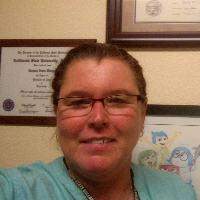
About Regina
Regina Phelps is a Licensed Marriage and Family Therapist (LMFT) practicing in California with nine years as a licensed clinician. She draws on a long background in social services to guide people through practical problems and life shifts.
Background and approach
Her style is direct but warm, and she focuses on clear goals that matter to each person. Regina helps people who face relationship strain, addiction, grief, parenting stress, or career and caregiver pressures.
She also supports those coping with trauma, anger, low self-esteem, and compassion fatigue. Sessions center on understanding what each person wants to change and building steps to get there.
Her work often uses Cognitive Behavioral Therapy to identify unhelpful thoughts and habits, and Solution-Focused Therapy to set short-term, achievable goals. She may add ideas from narrative or family systems work when they fit a person’s situation.
Regina has experience leading individual, group, and residential work as well as outpatient care. Her background in social services informs a practical approach to real-world problems and stressors.
In sessions she aims to meet people where they are, listen without judgment, and collaborate on concrete plans. The focus is on steady progress rather than quick fixes, with steps tailored to each person’s daily life.
How CBT and Solution-Focused Work Online
CBT, or Cognitive Behavioral Therapy, helps people notice and change thoughts and behaviors that keep problems going. Online sessions can use CBT to target anxiety, anger, low self-esteem, and patterns that feed addiction by practicing new skills between visits.Solution-Focused Therapy concentrates on what someone wants to achieve next and builds small, practical steps toward that goal. It is useful for life changes, career decisions, parenting challenges, and quick problem-solving during transitions.
Choosing the right approach is part of the work together. The therapist will talk with each person about goals, preferences, and daily life, and then suggest ways of working that fit. That decision stays flexible and can be adjusted as progress is made.
Online formats make it easier to fit therapy into a busy life. Video calls allow face-to-face conversation for skill practice and guided exercises. Phone sessions are a good option when bandwidth is limited or a shorter check-in is needed. Live chat and text messaging can support quick updates, homework feedback, or brief coping guidance between sessions. These options give practical flexibility while keeping the focus on moving toward clear goals.
Frequently asked questions
What concerns does she help with?
What is her therapy style like?
How much clinical experience does she have?
What are her credentials and where does she practice?
Which languages are sessions offered in?
What session formats are available?
How is cost handled for sessions?
How do I begin working with her?
Specialties and expertise
Top specialties
- Family conflicts
- Career difficulties
- Coping with life changes
Also works with
- Addictions
- Anger management
- Caregiver issues and stress
- Codependency
- Compassion fatigue
- Grief
- LGBT
- Parenting issues
- Relationship issues
- Self esteem
- Trauma and abuse
- Veteran and Armed Forces Issues
Therapeutic approaches
- Experience
- 9 years
- Licensed
- California
- Languages
- English