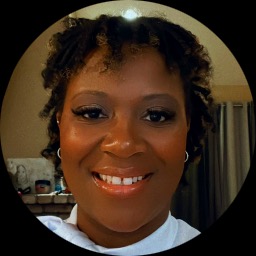
About Precious
Precious Owens is a California-licensed marriage and family therapist with seven years of professional practice. She focuses on helping people who feel overwhelmed by stress, anxiety, low self-esteem, or depression.
Background and approach
Her approach is practical and down-to-earth. She aims to build a calm space where clients can talk honestly about what they are facing.
She uses client-centered methods to listen first and follow each person's lead. Cognitive Behavioral Therapy techniques are used to notice patterns of thinking and try small changes that often reduce distress.
Acceptance and Commitment Therapy ideas help people move toward what matters to them, even when feelings are difficult. Sessions are geared toward real-life problems such as communication breakdowns, finding purpose, and learning self-love.
Precious works with each person to set clear, manageable goals and to practice skills between meetings. She emphasizes steady progress rather than quick fixes.
Her style is warm and encouraging, with an emphasis on collaboration. She invites questions and works at a pace that fits each client's comfort level.
The aim is to leave people feeling more capable of handling daily stressors. Precious provides services by video calls, phone, live chat, and text-based messaging.
People who want to begin can follow a short matching questionnaire and schedule sessions based on the therapist's availability. The subscription used for sessions can be canceled at any time.
Therapeutic approaches for online support
Precious often blends Acceptance and Commitment Therapy and Cognitive Behavioral Therapy in online work. Acceptance and Commitment Therapy, or ACT, focuses on helping people clarify their values and take actions that matter to them, even when uncomfortable feelings remain. It is often useful for people who want to move toward meaningful goals without waiting for distress to disappear. Cognitive Behavioral Therapy, or CBT, looks at how thoughts, feelings, and behaviors interact and teaches practical skills to change unhelpful patterns and reduce symptoms such as anxiety or low mood.Choosing the right method is a team effort. The therapist will talk with each person about their goals and preferences and suggest approaches that fit. Sessions can mix techniques, and the plan can change as progress is made to keep the work focused and useful.
Online formats offered include video calls, phone sessions, live chat, and text-based messaging. Video sessions allow face-to-face conversation for teaching skills and practicing new ways of interacting. Phone sessions work well when bandwidth is limited or when a person prefers not to be on camera. Live chat and text-based messaging make shorter check-ins and ongoing support easier to fit into busy days. These options add flexibility and make regular therapeutic work more accessible for many people.
Frequently asked questions
What concerns does she address?
What is her therapeutic style like?
How much experience does she have?
Where is she licensed and practicing?
Which languages are supported?
What session formats are available?
How does pricing work?
How do I begin working with her?
Specialties and expertise
Top specialties
Also works with
Therapeutic approaches
- Experience
- 7 years
- Licensed
- California
- Languages
- English