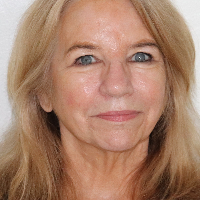
About Phyllis
Phyllis Marcus is a Licensed Marriage and Family Therapist and a Licensed Mental Health Counselor in Florida. She brings 30 years of clinical work to each appointment and focuses on practical ways to reduce stress and improve relationships.
Background and approach
Her tone is straightforward and optimistic, with an emphasis on small, achievable changes. Her practice helps people who are dealing with anxiety, depression, grief, trauma and abuse, addictions, and relationship strain.
She also supports people navigating family challenges and LGBTQ concerns, and she addresses communication problems that make everyday life harder. Sessions aim to be respectful and kind while focusing on real problems and clear steps forward.
Phyllis blends several approaches to match each person’s situation. She draws on cognitive behavioral ideas to shift unhelpful thinking and uses emotionally focused techniques to improve connection in relationships.
Acceptance and commitment ideas and attachment-based perspectives help people understand values and relational patterns. Over three decades she has worked with many different life situations.
That experience informs a flexible style that adapts to the person in the room. The work is collaborative - she listens first, then suggests tools a person can try between sessions.
Phyllis offers sessions in English and sees clients in Florida. International clients are also accepted.
She aims for clear, understandable therapy that helps people regain calm and move toward the life they want.
Using evidence-based approaches online
Phyllis often uses cognitive behavioral therapy to help people notice and change thoughts and behaviors that increase anxiety or low mood. CBT gives clear tools and exercises that translate well to video or phone sessions and can be practiced between meetings.She also draws on emotionally focused therapy to help people strengthen connections and address relationship pain. EFT focuses on emotions and interaction patterns, which can be explored in conversation and through guided exercises during online sessions.
Choosing an approach is a collaborative process. The therapist will talk with the client about goals, try methods that match those goals, and adjust as needed. Clients are encouraged to give feedback so the work stays useful and relevant.
Online therapy options include video calls, phone sessions, live chat, or text-based messaging. Video is helpful for real-time conversation and exercises, phone sessions work when bandwidth or camera use is difficult, and chat or messaging can be useful for shorter check-ins or when writing thoughts out feels easier. These formats make it simpler to fit therapy into a busy schedule and to continue work from different locations.
Frequently asked questions
What issues does this therapist address?
What is the therapist's style in sessions?
How much clinical experience does she have?
What credentials and location are listed for this therapist?
Are sessions available in languages other than English?
Which session formats are offered?
How does payment and cost work?
What are the steps to begin working with her?
Specialties and expertise
Top specialties
- Stress, Anxiety
- Relationship issues
- Trauma and abuse
Also works with
- Addictions
- Communication problems
- Depression
- Family conflicts
- Grief
- LGBT
Therapeutic approaches
- Experience
- 30 years
- Licensed
- Florida
- Languages
- English