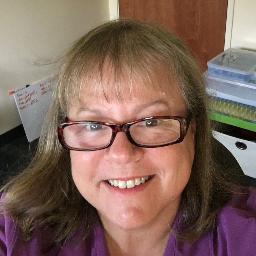
Pamela Chapman, LMFT
Experienced California marriage and family therapist
About Pamela
Pamela Chapman is a licensed marriage and family therapist practicing in California. She brings 39 years of clinical experience to sessions and focuses on helping people manage stress, anxiety, grief, and depression.
Background and approach
Pamela also supports people facing trauma and abuse and assists those navigating relationship and communication challenges. Her work centers on listening carefully and adapting conversations to fit each person's situation.
She treats people with respect, sensitivity, and compassion. Pamela aims to make each session practical and straightforward so clients can leave with clear next steps.
Over nearly four decades she has worked with a wide range of concerns related to mood and panic symptoms, isolation and loneliness, guilt and shame, and sexual issues. She draws on evidence-based therapeutic techniques to address post-traumatic stress and other intense reactions to life events.
Sessions are shaped around each person's goals and pace. Pamela tailors the dialog and a treatment plan to match what someone needs in the moment, whether that means focused skill building, processing past events, or improving day-to-day communication.
Pamela knows beginning therapy can feel hard. She encourages people to allow themselves small steps forward and offers steady guidance along the way.
Approaches that translate well to online care
Evidence-based therapeutic techniques focus on helping people stabilize emotions, build coping skills, and process difficult events. One common approach uses structured conversations and skill practice to reduce anxiety and panic symptoms by teaching breathing, grounding, and problem-solving strategies. This helps when worry or sudden panic get in the way of daily life.Another approach centers on processing trauma and grief through careful pacing and supportive dialogue. This involves naming what happened, understanding responses, and gradually working toward lessening the emotional charge around painful memories. It can be useful for people coping with past abuse, loss, or post-traumatic stress reactions.
Finding the right approach is part of the work together. The therapist will discuss goals, try methods that fit the person's needs, and adjust the plan over time based on what helps most. That collaborative process makes therapy more relevant and usable.
Online therapy offers practical benefits for many people. Video calls allow face-to-face conversation when schedules or distance make in-person visits hard. Phone sessions can be simpler when bandwidth is limited or when someone prefers not to be on camera. Live chat and text messaging make it easier to check in between sessions or to fit short check-ins into a busy day. These options give flexibility while keeping the focus on progress and real-life application.
Frequently asked questions
What kinds of problems does Pamela focus on?
What is her general therapy style?
How much experience does she have?
Where is she licensed and based?
Which languages are supported for sessions?
What session formats are available?
How does pricing work for sessions?
How do I begin working with her?
Specialties and expertise
Top specialties
- Stress, Anxiety
- Relationship issues
- Trauma and abuse
Also works with
- Experience
- 39 years
- Licensed
- California
- Languages
- English