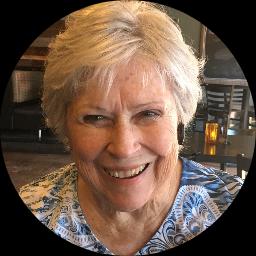
About Olivia
Olivia Cook helps people who are dealing with addictions, relationship problems, family conflict, trauma and abuse, and anger. She introduces herself simply and directly, inviting people to take the first step toward change.
Background and approach
Her early goal is to help clients feel comfortable enough to speak honestly about difficult feelings and events. Olivia is a Licensed Marriage and Family Therapist - LMFT - practicing in California.
She draws on four decades of experience to guide conversations and practical steps. Sessions focus on small, manageable changes rather than quick fixes.
In the room she aims to create an open space where thoughts and feelings can be shared without judgment. She listens closely and helps clients name what is happening, then works with them to try different ways of responding.
That can include learning new ways to handle anger, setting clearer boundaries in relationships, or managing urges connected to addiction. Her style is straightforward and steady.
She balances emotional support with practical tasks and experiments people can try between sessions. Progress is viewed as gradual, and goals are set to match a person’s pace and daily life.
Olivia encourages people who are uncertain about therapy to take one small step - answer a short questionnaire and schedule a first meeting. She will spend early sessions clarifying goals and deciding on an approach that fits each person’s needs.
How evidence-based approaches translate to online care
Many therapists use evidence-based techniques that focus on clear skills and steady progress. One common approach centers on practical behavior strategies - learning new ways to manage impulses, cope with cravings, or respond to anger through step-by-step practice. This can help when addictions or strong emotional reactions interfere with daily life.Another helpful direction focuses on processing trauma and abuse in small, paced steps. This approach helps people name upsetting memories, reduce their intensity over time, and build coping tools for triggers and flashbacks. Both approaches emphasize what clients can do between sessions to test new responses in real situations.
Finding the right approach is part of the work. The therapist will talk with each person about goals, preferences, and what feels workable. Together they decide which techniques to try and adjust the plan as progress is made.
Online sessions offer flexibility for people with busy schedules or travel limits. Video calls let people use visual cues and deeper conversation, phone sessions can be simpler when bandwidth is limited, and live chat or text messaging make it easy to check in, do brief checkups, or keep momentum between longer meetings. These options let clients fit therapy into real life while working with a licensed professional.
Frequently asked questions
What concerns does Olivia address?
How would you describe her therapeutic style?
What is her clinical background?
What credentials and region are listed?
Can I have sessions in a language other than English?
Which session formats are available?
How does billing and cost work?
What are the first steps to begin therapy?
Specialties and expertise
Top specialties
- Addictions
- Relationship issues
- Family conflicts
Also works with
- Anger management
- Trauma and abuse
- Experience
- 40 years
- Licensed
- California
- Languages
- English