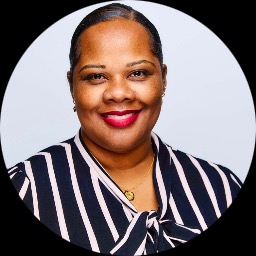
Meshanette Johnson-Sims, LMFT
Practical support for relationship and trauma recovery
About Meshanette
Meshanette Johnson-Sims supports people facing relationship problems, trauma and abuse, grief, and low self-esteem. She also provides coaching around motivation and life purpose.
Background and approach
Meshanette works to make the first step feel manageable and affirms the courage it takes to begin. She is a Licensed Marriage and Family Therapist - LMFT - practicing in California with 14 years of clinical experience.
She meets each person where they are and builds a plan that fits individual needs rather than using a single method for everyone. Conversations are shaped to match the pace and goals of the person in the room.
In sessions she focuses on practical change. That can mean talking through communication patterns, learning ways to cope after loss, or addressing stress from caregiving responsibilities.
She also helps people sort through guilt, shame, and the impact of past trauma so they can move forward with clearer purpose. Meshanette emphasizes respect, sensitivity, and compassion in her work.
She aims to create a space where people can speak honestly about hard topics and try small, doable steps between sessions. Over time those steps build into clearer direction and stronger skills.
Her style blends supportive listening with goal-oriented conversation. People who want a straightforward, empathetic guide for relationship concerns, post-traumatic stress symptoms, or questions about life direction may find this approach useful.
Therapeutic approaches and online care
Meshanette uses evidence-based therapeutic techniques that focus on practical change and healing. One common approach is trauma-focused work, which helps people process past upsetting events and reduce their ongoing impact by working through memories and reactions in step-by-step ways. Another is grief-focused support, where conversations center on naming losses, coping strategies, and finding ways to carry on meaningful activities while adjusting to change.Choosing the right approach is part of the therapy process. She will collaborate with each person to identify goals and try methods that match those goals and preferences. That means adjusting techniques over time and checking in often to see what helps most.
Online therapy options include video calls, phone sessions, live chat, and text-based messaging. Video calls let people use face-to-face conversation from different locations, phone sessions can be easier when bandwidth is limited, live chat supports shorter check-ins, and text messaging allows ongoing, flexible contact between scheduled meetings. These choices make it easier to fit therapy into busy schedules and to keep momentum between sessions.
Frequently asked questions
What issues does she help with?
What is her therapeutic style?
How much clinical experience does she have?
What credentials and location are listed?
Which languages are offered for sessions?
What session formats are available?
How are sessions priced?
How do I begin working with her?
Specialties and expertise
Top specialties
- Relationship issues
- Trauma and abuse
- Grief
Also works with
- Experience
- 14 years
- Licensed
- California
- Languages
- English