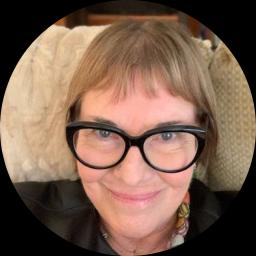
About Mary
Mary Dallman helps people manage addictions, cope with grief, and address eating concerns. She also supports those facing career crossroads, feelings of isolation, and questions about life purpose.
Background and approach
Mary appears warm and straightforward in how she approaches care. Mary brings ten years of therapy experience and holds a Licensed Marriage and Family Therapist credential.
She frames therapy as a conversation shaped around each person's needs. Sessions focus on practical steps and clear goals rather than abstract theory.
Her style is respectful and compassionate. Mary adapts the pace based on what each person needs and prefers.
She aims to create a calm space where people can speak honestly about hard issues. In sessions she helps people sort priorities, build daily routines, and develop coping skills for cravings, loss, or disordered eating patterns.
Career and coaching work centers on clarifying values and planning concrete next steps. Discussions are focused and action-oriented when that suits the client.
Mary is licensed in South Dakota as a LMFT and works in that region. She will collaborate on a plan that fits the client’s situation and availability.
Taking the first step can feel risky, and she positions herself as a steady partner through that early work.
How evidence-based approaches translate to online therapy
Mary uses evidence-based therapeutic techniques that focus on clear steps and skills. One common approach helps people build coping strategies for cravings and urges, teaching behavioral techniques and daily routines to reduce the power of addictive impulses. This approach is practical and task-focused, useful for addictions and related patterns. Another approach emphasizes coping with loss and shifting routines after bereavement. It involves creating small, manageable activities and learning ways to tolerate strong feelings so daily life can feel steadier again. This work often helps people with grief and isolation by restoring a sense of forward motion. Finding the right mix of approaches is part of the work together. The therapist will talk with each person about goals and preferences, then try methods that match those needs. The plan can be adjusted over time based on what helps most. Online sessions make this flexible work easier to fit into busy lives. Video calls allow face-to-face conversation when visual cues are helpful. Phone sessions can be used when bandwidth is limited or for shorter check-ins. Live chat and text-based messaging are available for quick check-ins, reflections between sessions, or people who prefer writing to speaking. These options help people keep momentum and practice skills in day-to-day settings.Frequently asked questions
What concerns does she address?
What is her therapeutic style like?
How much experience does she have?
What credentials and location are listed?
Which languages are offered and can she see international clients?
What session formats are available?
How are sessions priced?
How do I begin working with her?
Specialties and expertise
Top specialties
- Addictions
- Grief
- Eating disorders
Also works with
- Career difficulties
- Coaching
- Isolation / loneliness
- Life purpose
- Experience
- 10 years
- Licensed
- California, South Dakota
- Languages
- English