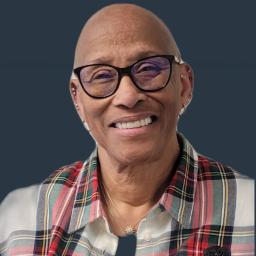
Dr. Marcia Cooke, LMFT
Calm, practical therapy for everyday struggles
About Marcia
Dr. Marcia Cooke greets people who are feeling overwhelmed by stress, anxiety, depression, or relationship strain.
Background and approach
She aims to make the first steps easier by listening without judgment and tailoring the work to each person's needs. Dr.
Cooke holds a Licensed Marriage and Family Therapist credential and brings 24 years of clinical experience to sessions. She focuses on practical, moment-to-moment ways to reduce anxiety and manage mood.
In early sessions she helps people prioritize what feels most urgent and sets clear, doable goals. Conversations are meant to be straightforward and respectful, with the plan adjusted as progress is made.
Her background includes work with trauma and abuse and with people managing difficult family dynamics and communication problems. She also addresses issues such as guilt, impulsivity, isolation, and workplace stress.
Veterans and people facing military-related concerns are among the areas she has supported. Dr.
Cooke uses approaches that teach skills for coping and changing unhelpful patterns. She partners with people to build tools they can use between sessions.
Expect a mix of practical strategies and reflective conversation focused on concrete change. Sessions are offered in English and provided from Oregon.
The therapist discusses options and plans in plain language and encourages questions about the process at any time.
How specific therapy methods work online
Dr. Cooke often uses Cognitive Behavioral Therapy, which focuses on identifying unhelpful thoughts and trying different behaviors to reduce anxiety or low mood. CBT teaches simple skills people can practice between sessions to notice and change patterns that keep problems going.She also incorporates Dialectical Behavior Therapy skills to help regulate strong emotions and improve interpersonal effectiveness. DBT-style tools are useful for managing intense feelings, improving communication, and reducing impulsive reactions.
Finding the right approach is a team effort. The therapist will talk with each person about goals, try methods that match those goals, and adjust the plan based on what helps most. That process is collaborative and ongoing rather than fixed from the start.
Online formats include video calls, phone sessions, live chat, and text-based messaging to fit different needs. Video is useful for face-to-face conversation and role-playing skills, while phone calls work well when bandwidth is limited. Live chat or texting can be helpful for short check-ins, refining tools in real time, or fitting therapy into a busy day. These options make it easier to keep consistency and try new strategies between meetings.
Frequently asked questions
What issues does this therapist address?
What is the therapist's general approach in sessions?
How much clinical experience does the therapist have?
What credentials and location are listed?
Are sessions offered in other languages or to international clients?
What session formats are available?
How are costs and payments handled?
What are the first steps to begin therapy?
Specialties and expertise
Top specialties
- Stress, Anxiety
- Relationship issues
- Family conflicts
Also works with
Therapeutic approaches
- Experience
- 24 years
- Licensed
- California, Oregon, South Carolina
- Languages
- English