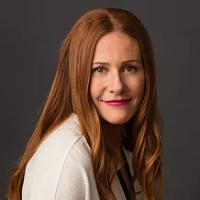
About Karen
Karen Graber is a Licensed Marriage and Family Therapist who helps people manage stress, anxiety, grief, parenting challenges, relationship concerns, and everyday struggles like sleep and self-esteem. She works with those facing major life changes, addiction concerns, career questions, and issues around body image or eating.
Background and approach
Sessions focus on practical steps people can use right away. Her style is warm and centered on the person in front of her.
She starts by listening carefully to what feels most urgent, then helps set clear, achievable goals. Sessions emphasize strengths and small changes that add up over time.
Karen blends client-centered work with psychodynamic ideas and solution-focused strategies. That mix lets her look at current problems while also noticing patterns from the past that keep coming back.
She uses tools like mindfulness to help manage anxiety and reactivity. She trained in marriage and family therapy and has worked in a range of clinical settings across Los Angeles, including addiction clinics and school-based programs.
That experience shaped her practical approach to coping and recovery. Clients can expect help building coping skills, improving relationships with themselves and others, and finding clearer direction during transitions.
Karen tailors each plan to fit a person's life and goals, with an emphasis on lasting, usable skills.
Approaches that guide online sessions
Client-Centered Therapy focuses on listening and building on a person's strengths. The therapist creates space for people to describe what matters most and helps them set realistic goals and steps to reach them. This approach is useful for worry, low mood, self-esteem issues, and parenting concerns.Psychodynamic Therapy looks at recurring patterns that may come from earlier relationships or experiences. It helps identify how those patterns show up now and offers ways to change habits that cause pain. This can help with relationship issues, grief, and long-standing emotional struggles.
Finding the right approach is a team effort. The therapist will talk with the client about goals, preferences, and what has or hasn't worked before. Together they choose strategies and adjust them over time so the work fits the client's life and needs.
Online sessions are offered by video call, phone, live chat, or text-based messaging to give flexibility. Video calls suit in-depth conversations, phone sessions work well when bandwidth is low, live chat is a good option for shorter check-ins, and messaging lets people share thoughts between meetings. These options make it easier to fit therapy into a busy schedule and to keep momentum between appointments.
Frequently asked questions
What kinds of concerns does she help with?
How would you describe her therapy style?
What is her professional background?
Which credentials and location are listed?
Are sessions available in other languages or internationally?
What formats are offered for sessions?
How are costs handled?
What do I do to get started?
Specialties and expertise
Top specialties
- Stress, Anxiety
- Family conflicts
- Grief
Also works with
- Addictions
- ADHD
- Body image
- Career difficulties
- Co-morbidity
- Coaching
- Coping with life changes
- Depression
- Divorce and separation
- Drug and alcohol addiction
- Eating and food-related issues
- Eating disorders
- Family problems
- Fatherhood issues
- Fertility issues
- Guilt and shame
- Impulsivity
- Intimacy-related issues
- Isolation / loneliness
- Midlife crisis
- Mood disorders
- Parenting issues
- Postpartum depression
- Relationship issues
- Self esteem
- Self-love
- Sleeping disorders
- Trauma and abuse
- Women's issues
- Young adult issues
Therapeutic approaches
- Experience
- 11 years
- Licensed
- California
- Languages
- English