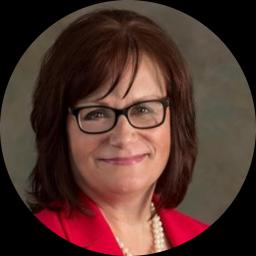
Gloria Whitcraft, LMFT
Practical, steady support for relationship and mood struggles
About Gloria
Gloria Whitcraft offers calm, direct support for people facing relationship and mood challenges. She is a licensed marriage and family therapist in Indiana with 20 years of experience.
Background and approach
Gloria focuses on practical steps that clients can use right away. She listens closely and helps people name what matters most to them.
Her work often addresses relationship strains, family conflict, trauma and abuse, and depression. She also helps with caregiver stress, communication problems, and the fallout from separation or divorce.
Gloria pays attention to isolation, social anxiety, and mood disorders so clients feel seen across several life areas. Sessions are centered on the person in front of her.
Gloria believes clients know their story best and brings a respectful, collaborative approach. She helps people identify strengths and build skills rather than lecturing or giving quick fixes.
In session she draws on methods that focus on present concerns and clear behaviors. Conversations tend to be practical and goal-oriented, with space to process feelings.
The aim is steady progress you can notice between visits. Clients who want straightforward support and real tools to change patterns often find her style useful.
Gloria supports people through small steps and longer-term work, whichever fits their needs. She encourages anyone ready to change to take the next step toward feeling better.
Approach-driven online therapy that fits your life
Client-Centered Therapy focuses on listening and building on your strengths. The therapist follows your lead, reflects what you say, and helps you see options for change. Cognitive Behavioral Therapy, or CBT, looks at how thoughts and behaviors affect mood and relationships and offers concrete exercises to change unhelpful patterns. The Gottman Method concentrates on communication and relationship skills, giving clear tools to improve how people talk and solve problems.Choosing the right approach is part of the work. The therapist will collaborate with each person to decide which methods match their goals and preferences. That means trying things, checking what helps, and adjusting the plan together rather than assuming one method fits everyone.
Online formats include video calls, phone sessions, live chat, and text-based messaging. Video is useful for deeper conversations and visual cues, while phone sessions can be a good option when bandwidth is limited or a quieter check-in is needed. Live chat and messaging let people do shorter check-ins, quick coaching, or continued support between longer sessions. These options make it easier to fit therapy into work, family, and daily life while using approaches aimed at concrete change.
Frequently asked questions
What issues does this therapist help with?
What is the therapeutic style like?
How much experience does this clinician have?
What credentials and location apply to this therapist?
Which languages are available for sessions?
What session formats are offered?
How is cost handled for sessions?
How do I begin working with this therapist?
Specialties and expertise
Top specialties
- Relationship issues
- Family conflicts
- Trauma and abuse
Also works with
Therapeutic approaches
- Experience
- 20 years
- Licensed
- Indiana
- Languages
- English