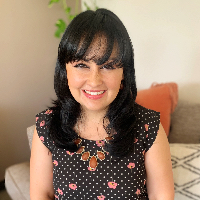
About Elizabeth
Elizabeth Lee greets people who feel stuck, overwhelmed, or disconnected. She offers calm guidance to those dealing with stress, anxiety, depression, or the lingering effects of trauma.
Background and approach
Sessions are offered in English and Spanish for people in California. Elizabeth is a Licensed Marriage and Family Therapist with ten years of experience and speaks plainly about next steps.
Elizabeth centers conversations on the everyday problems that make life harder. She listens first and helps people name what matters most.
Her work includes addressing low self-esteem, grief, parenting strain, and major life changes in ways that feel doable. She uses attachment-based ideas to look at how early relationships shape current needs and reactions.
Internal Family Systems helps people notice the different parts of themselves and how those parts interact. Trauma-focused methods and EMDR are part of her approach for processing painful memories when those memories keep coming up.
In sessions she mixes talk-based work with creative options when words are hard to find. That can help people express emotions and try new ways of coping.
Elizabeth aims for short-term tools as well as deeper change, depending on each person’s goals. Practical matters are discussed up front, such as session format and scheduling.
New clients start by answering a short matching questionnaire and then scheduling a time. The overall goal is to help people feel more connected to themselves and more capable of moving forward.
How these therapies translate to online sessions
Attachment-Based Therapy looks at how early relationships shape present reactions and connection needs; online work focuses on identifying patterns and building new ways of relating in daily life. Client-Centered Therapy centers the person in the room and prioritizes listening, validation, and the client’s own goals; online sessions use that same collaborative stance to help people clarify what they want to change. EMDR and trauma-focused methods help when past memories keep affecting present moods and behavior. When used online, EMDR-style processing and trauma-focused conversations are paced to match the person’s comfort and tolerance, with attention to grounding and stabilization between processing moments. Choosing an approach is a shared process. The therapist will talk about options, try techniques together, and adjust based on what feels most helpful. Clients and the therapist decide which methods fit the person’s needs, goals, and preferences. Online formats offer practical advantages. Video calls allow face-to-face conversation and visual cues. Phone sessions can be easier when bandwidth is limited or when someone prefers not to be on camera. Live chat and text-based messaging work for brief check-ins, quick coping skills, or people who express themselves better in writing. These options make it simpler to fit therapy into a busy life and to continue work between sessions.Frequently asked questions
What kinds of problems does she help with?
What is her general therapy style like?
How much clinical experience does she have?
What credentials and where is she based?
Which languages are supported during sessions?
What session formats are available?
How are fees and subscriptions handled?
How do I begin working with her?
Specialties and expertise
Top specialties
Also works with
- Attachment issues
- Codependency
- Coping with life changes
- Depression
- Dissociation
- Family conflicts
- Family of origin issues
- Family problems
- Grief
- Guilt and shame
- Life purpose
- Multicultural concerns
- Parenting issues
- Post-traumatic stress
- Postpartum depression
- Pregnancy and childbirth
- Self-love
- Women's issues
- Young adult issues
Therapeutic approaches
- Experience
- 10 years
- Licensed
- California
- Languages
- English, Spanish